
PATAGONIA TRAVEL GUIDE
There’s something magical about traveling somewhere completely new, where everything feels a little uncertain, a little intimidating, but also wildly exciting. In February 2020, my friend DeAnna and I did just that: we planned a self-guided trip to Argentine Patagonia. Neither of us had ever been to Argentina, yet we were determined to hike, explore glaciers, and experience the raw beauty of this legendary region.
Spoiler alert… Patagonia exceeded every expectation!

How to Get to Patagonia: Flying Into El Calafate
If you’re planning Patagonia trekking, your adventure starts in El Calafate, the gateway to the glaciers. We flew in from Buenos Aires and spent 3 days in town… one day to land, recover from travel, and explore the charming streets, and another day for the Perito Moreno Glacier Big Ice Trek.
Travel tips for women:
- El Calafate is safe and tourist-friendly.
- Stay near the main street for easy access to restaurants and tour operators.
- Book your glacier trek in advance… it fills up quickly.

El Perito Moreno Glacier Big Ice Trek: Hiking on Ice in Patagonia
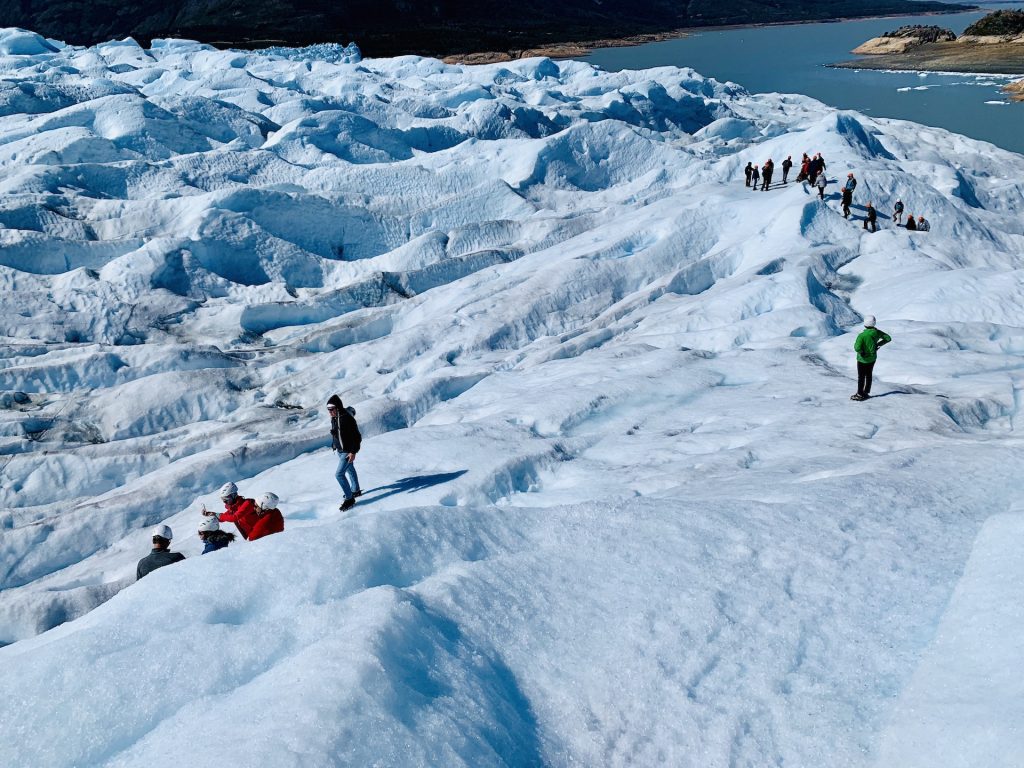
Standing on top of El Perito Moreno Glacier was a dream come true! Trekking on a glacier had been at the very top of my adventure list for years. I still remember the crunch of the ice beneath my boots and the feeling of being surrounded by a landscape so vast and otherworldly it almost didn’t feel real.
Every 20 minutes or so, we’d hear a loud “KaBOOM”!! Massive chunks of ice breaking off the glacier and crashing into the water below. It was thrilling and a little intimidating at the same time, like nature’s own fireworks show. You can’t help but feel tiny in comparison to the sheer scale of the ice, and yet completely alive and energized.
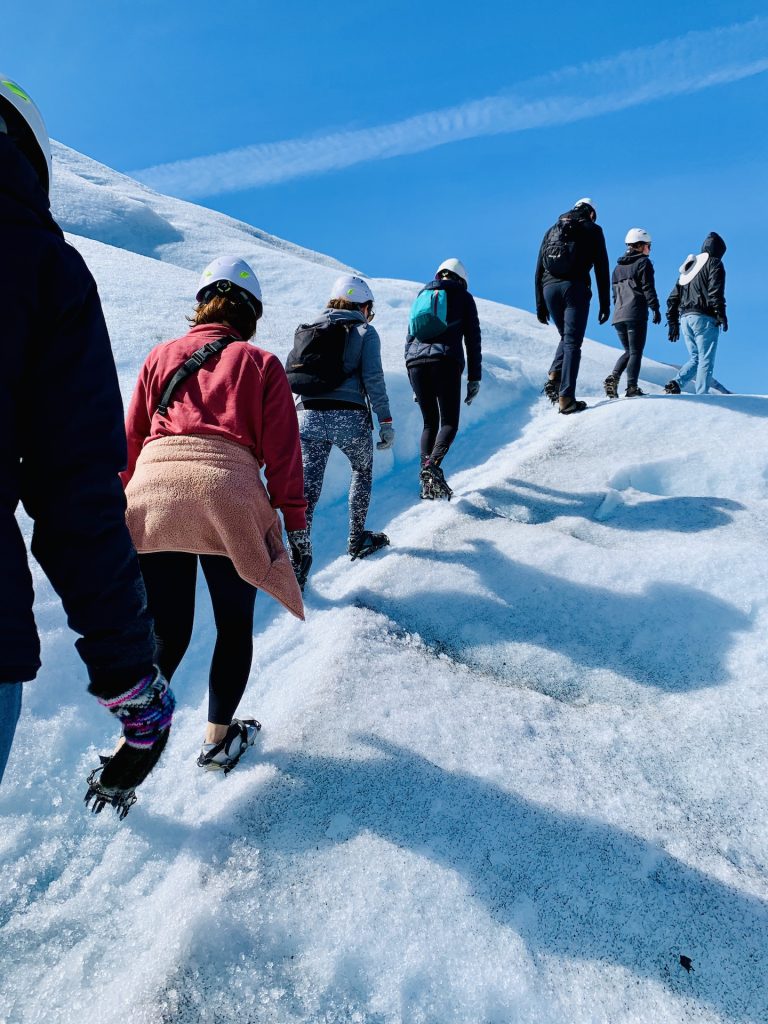
How the trek works:
- Take a bus from El Calafate to Los Glaciares National Park.
- Board a boat across the glacial lake to reach the glacier base.
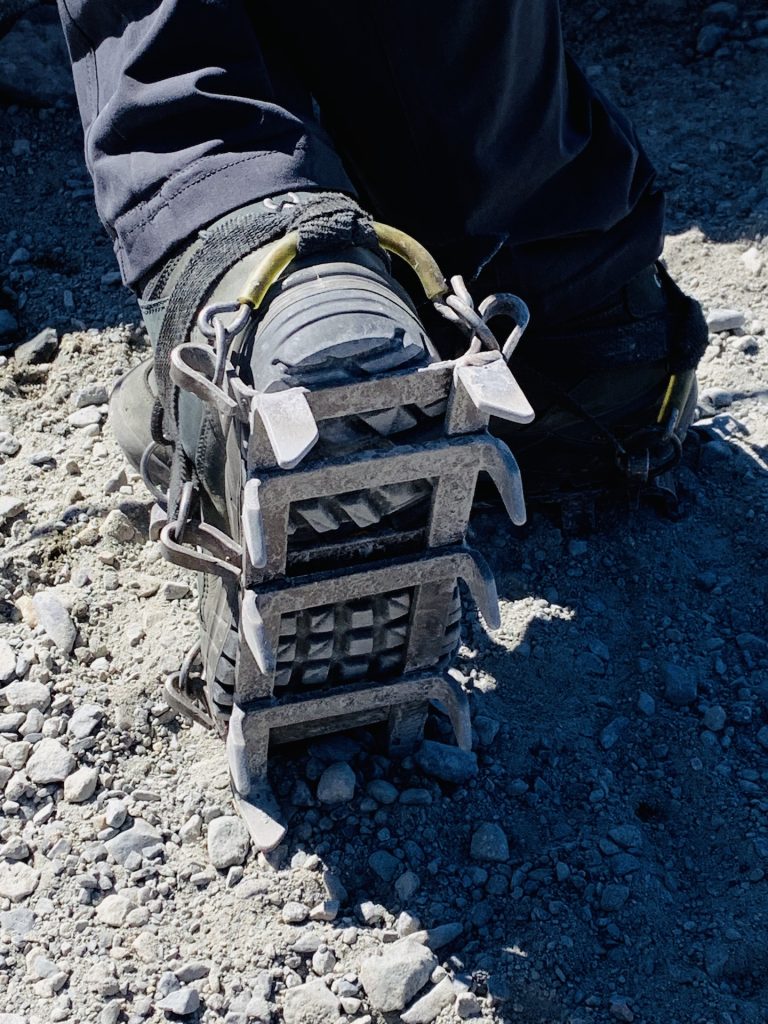
- Gear up with crampons and follow guides across the icy terrain.
Tips for fellow women hikers:
- Wear waterproof hiking boots and warm layers… it’s cold, even in summer.
- Gloves, hat, and sunglasses are a must… the ice reflects the sunlight fiercely.
- Bring snacks, water, and your GoPro camera; every angle is photo-worthy.
- Be ready for a physically demanding adventure that feels completely worth it.
Traveling from El Calafate to El Chaltén
After exploring the glacier, we took a bus from El Calafate to El Chaltén, Patagonia’s hiking hub.
Why stay in El Chaltén:
- Safe, small town made for hikers
- Cute hotels, hostels, and local restaurants
- Trails start right from town… no complicated logistics
We stayed four nights, which was perfect for tackling multiple hikes and exploring the surrounding peaks.
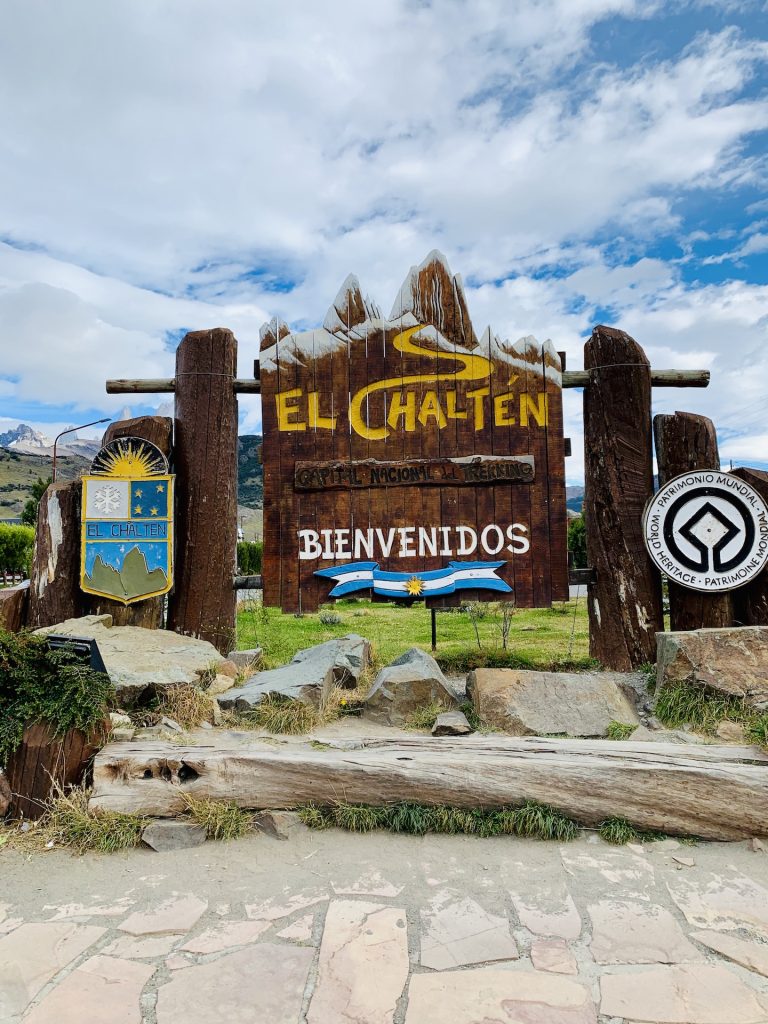
Best Hikes in El Chaltén
El Chaltén is a hiker’s paradise, with trails starting right from town and ranging from easy walks to challenging all-day treks. Here’s a breakdown of the hikes I loved, including distance, elevation gain, and difficulty:
1. Laguna Capri
- Distance: 8 km round trip (~5 miles)
- Elevation gain: 200 m (~650 ft)
- Difficulty: Easy to moderate
- Description: A relatively short trail with a gentle climb that rewards you with stunning views of Fitz Roy, especially at sunrise. Perfect warm-up for longer hikes.
- Tips: Go early for sunrise; bring water and a light layer as mornings can be chilly.
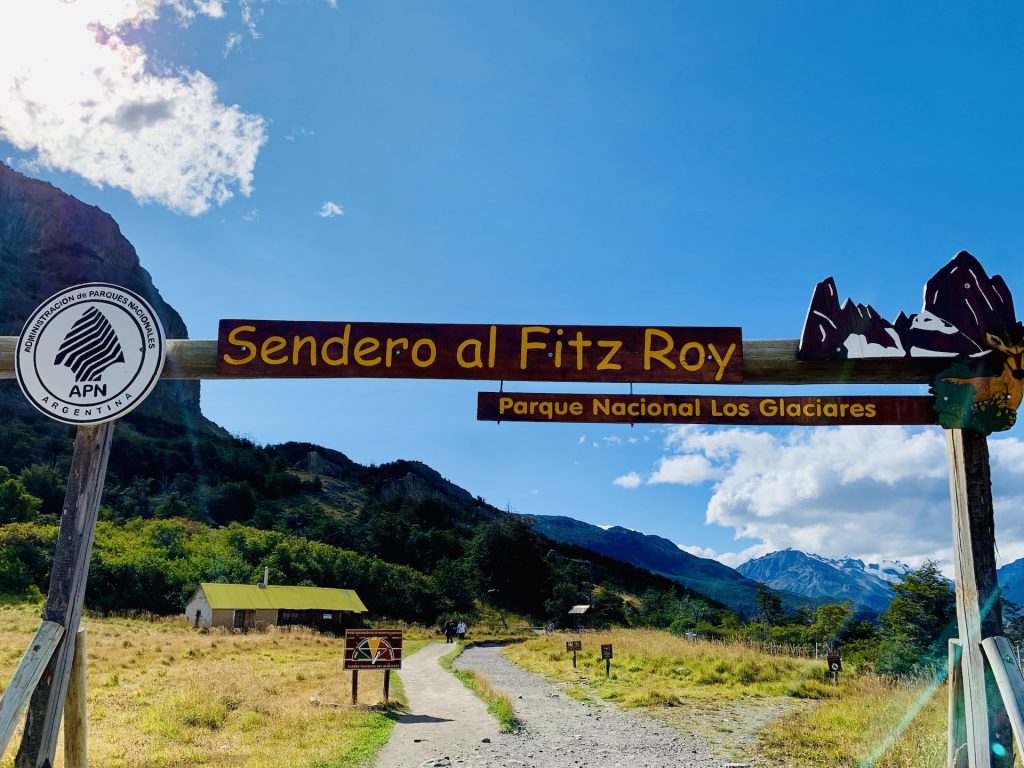
2. Laguna de los Tres / Mount Fitz Roy
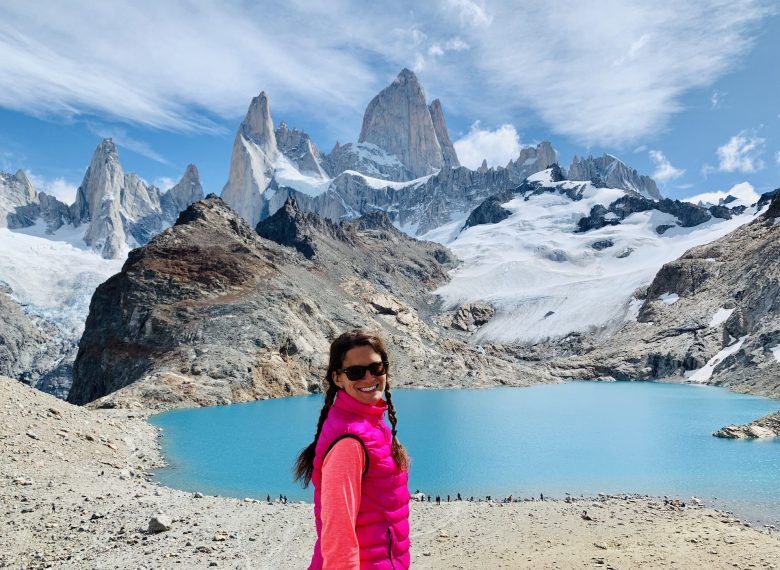
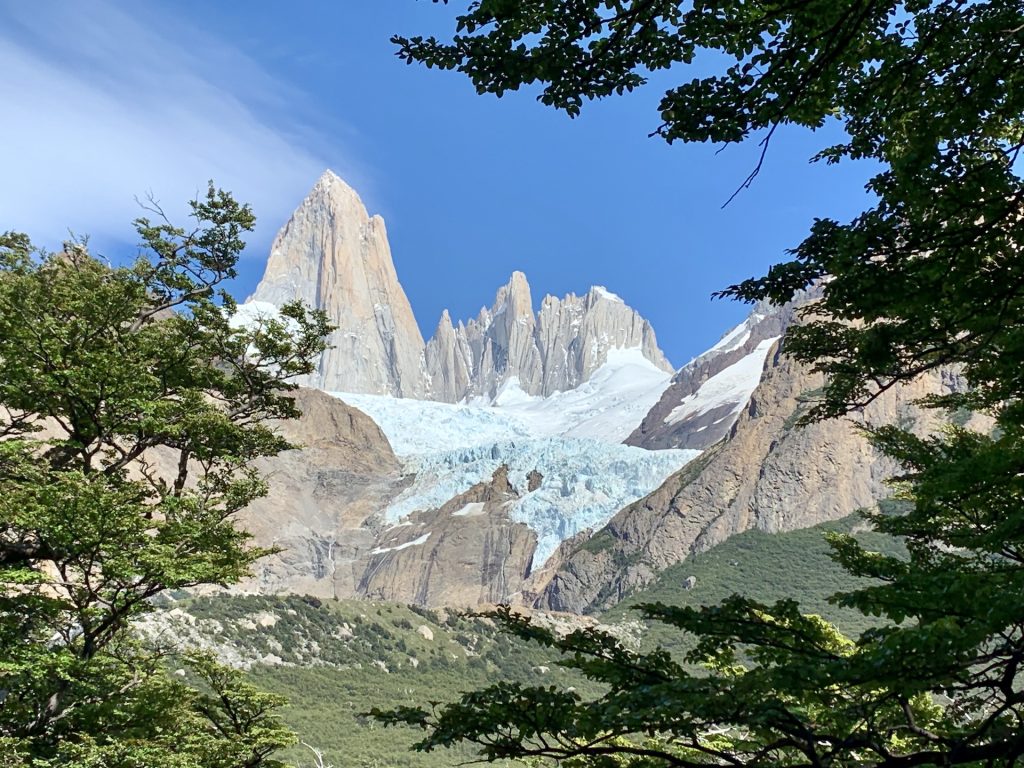
The first time I saw Fitz Roy, it took my breath away. That jagged, towering peak rising sharply from the Patagonian valley looked almost unreal… like something out of a dream or a painting. Standing there at the base, after hiking several kilometers through forests, rivers, and rocky terrain, I felt this mix of exhilaration, disbelief, and pure joy. This was why we had come all this way.
Trail details:
- Distance: 20 km round trip (~12.5 miles)
- Elevation gain: 1,200 m (~3,940 ft)
- Difficulty: Moderate to challenging
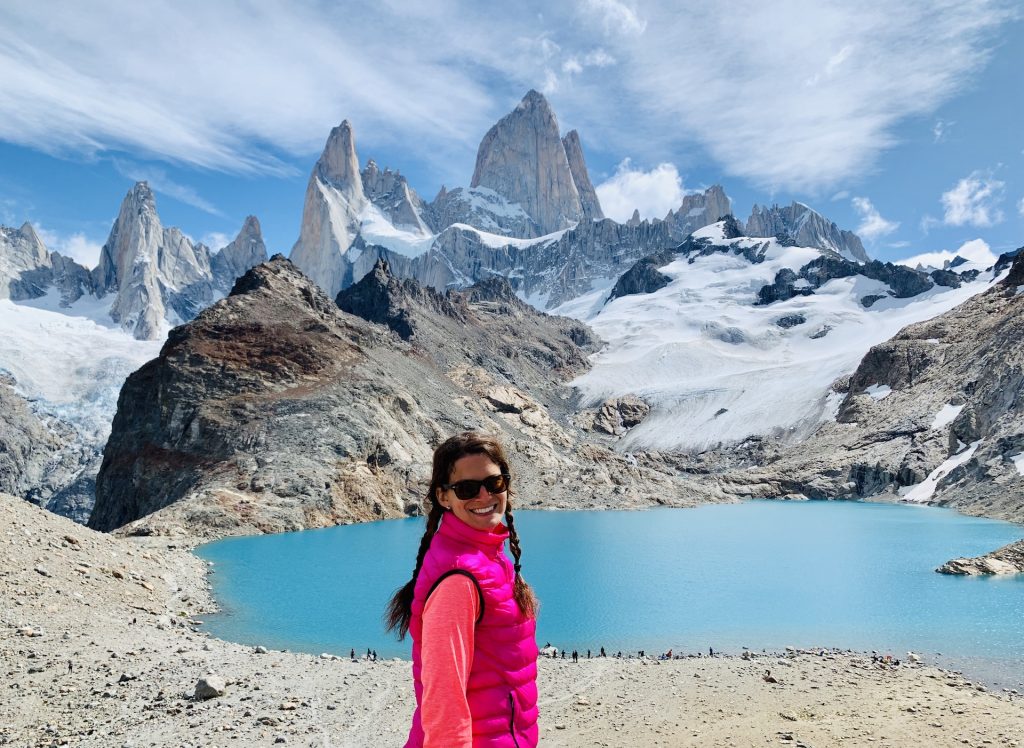
Why it’s special:
The hike culminates at Laguna de los Tres, a glacial lake with crystal-clear turquoise water reflecting Fitz Roy’s peak. It’s a view that makes every steep climb, every aching muscle, and every early morning completely worth it. When you finally reach the lookout, it’s impossible not to feel a sense of awe — the kind that makes you pause, take a deep breath, and just drink in the raw beauty around you.
Tips for hikers:
- Start early (6–7 AM) to avoid afternoon wind and crowds.
- Trekking poles are a lifesaver for steep sections.
- Bring plenty of water and snacks — there are no services on the trail.
- Wear layers — Patagonia weather is unpredictable.
Hiking Laguna de los Tres isn’t just about the view; it’s about the journey. It’s challenging, yes, but it pushes you out of your comfort zone and rewards you with a moment of pure, unforgettable connection to nature. That first glimpse of Fitz Roy is the kind of moment that makes you realize why you travel, why you hike, and why you keep chasing the adventure you’ve always dreamed of.
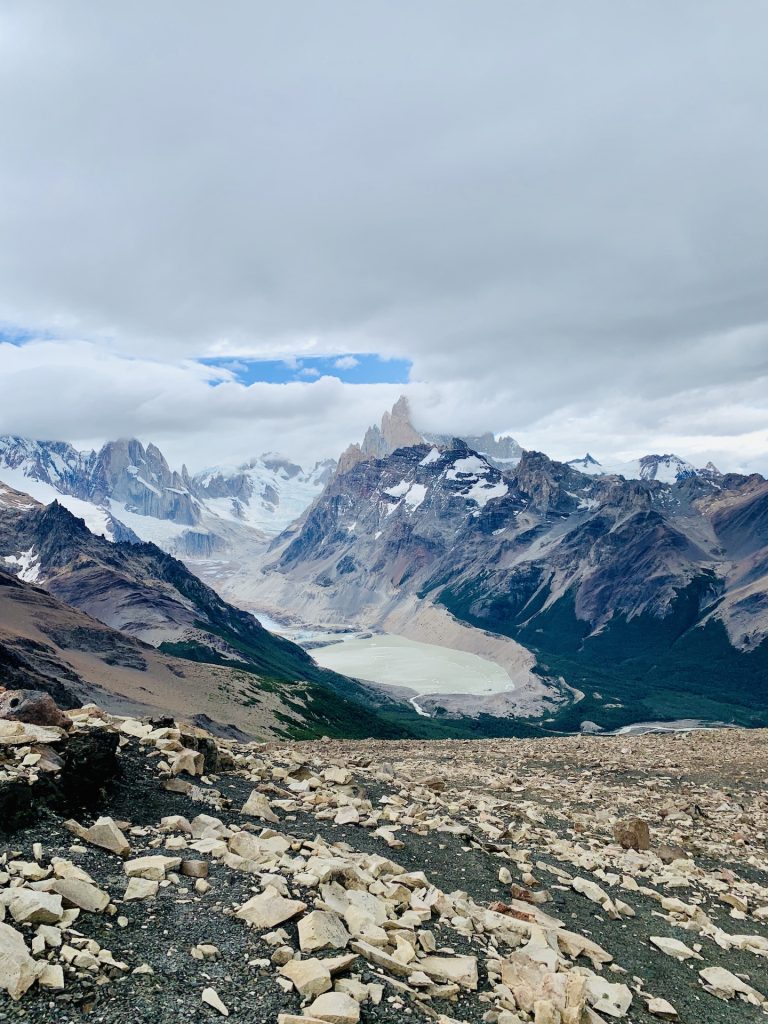
3. Laguna Torre
- Distance: 18 km round trip (~11 miles)
- Elevation gain: 750 m (~2,460 ft)
- Difficulty: Moderate
- Description: This trail leads to a scenic viewpoint of Cerro Torre and its glacier. The path winds through forests and open valleys, with incredible vistas of mountains and hanging glaciers.
- Tips: Allow 6–8 hours for the round trip. Layers are essential as weather changes quickly near glaciers.
4. Mirador Los Cóndores & Mirador Las Águilas
- Distance: 4–6 km round trip (~2.5–3.7 miles)
- Elevation gain: 200–300 m (~650–980 ft)
- Difficulty: Easy to moderate
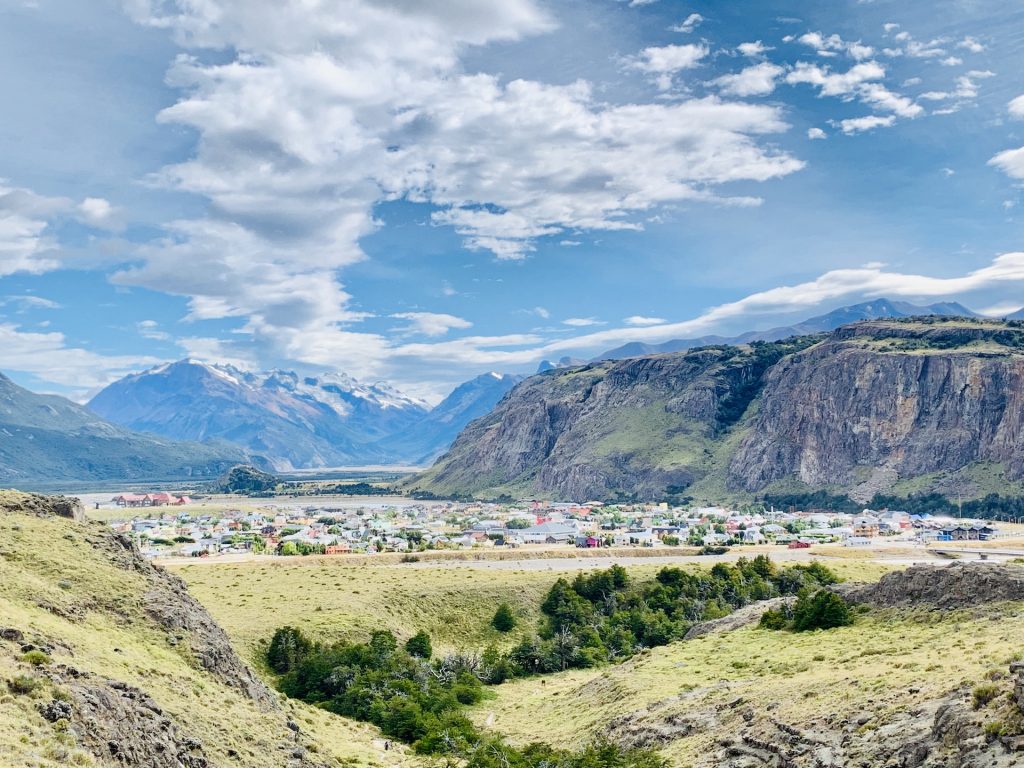
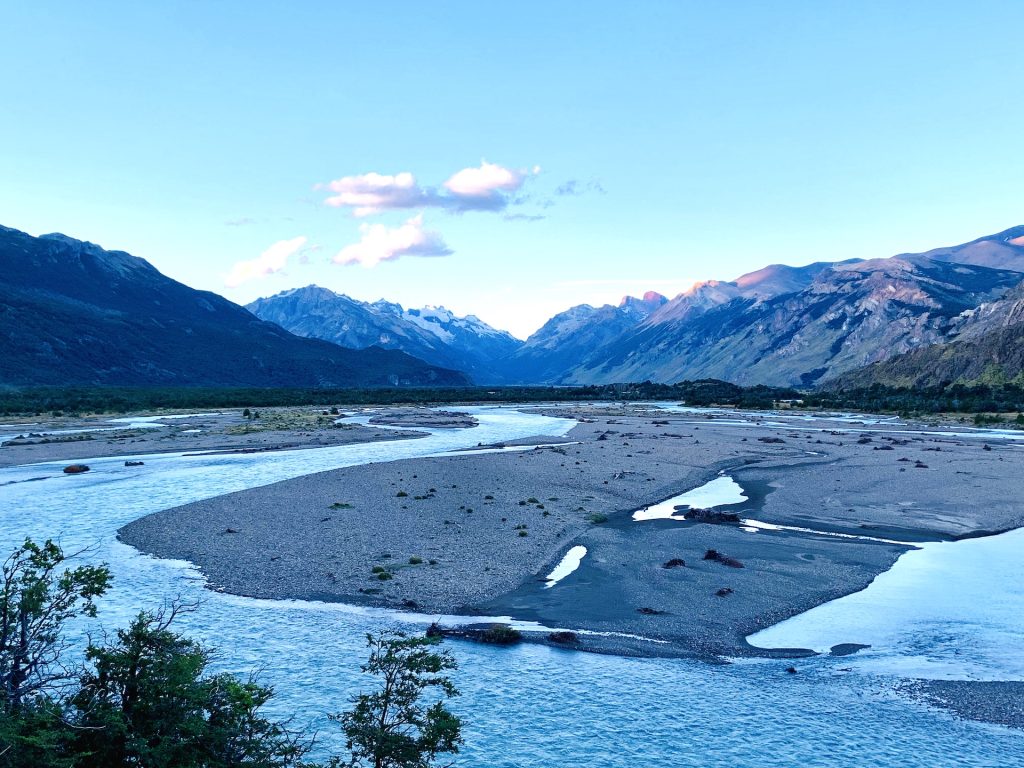
- Description: Shorter, scenic trails perfect for a lighter day or an afternoon hike. Both miradors offer panoramic views of El Chaltén and the surrounding mountains, and are ideal for photography.
- Tips: Great for a warm-up or recovery day between bigger hikes.
Women Hiker Tips for El Chaltén Trails:
- Start early to avoid crowds and afternoon wind.
- Wear layers — Patagonia weather is unpredictable.
- Trekking poles save energy and protect your knees on steep descents.
- Bring snacks and plenty of water, especially for longer hikes like Laguna de los Tres and Laguna Torre.
Packing Guide for Patagonia Trekking
Packing for Patagonia requires thinking layers and versatility. Here’s what worked for me:
- Waterproof and windproof jacket
- Base and insulating layers (merino recommended)
- Hiking boots with ankle support
- Gloves, hat, and sunglasses
- Backpack with water, snacks, and camera
- Trekking poles for steeper trails
Why Patagonia is the Ultimate Adventure for Women Hikers
Traveling into the unknown… a completely new country, challenging hikes, and icy glaciers… pushed me out of my comfort zone. The reward? Confidence, empowerment, and unforgettable memories.
If you want a Patagonia trekking adventure that’s breathtaking, challenging, and inspiring, November- February (Southern Hemisphere summer) is ideal. Trails are open, weather is mild, and the scenery is jaw-dropping.
Disclaimer: Some of the links on this blog are affiliate links, which means that if you click on a link and make a purchase, I may earn a small commission at no additional cost to you. This helps support the maintenance of this blog and allows me to continue sharing hiking tips, gear reviews, and outdoor adventures.
I only recommend products and services that I personally use, trust, or believe will provide value to my readers. Your support is greatly appreciated and helps keep this content free for everyone.

