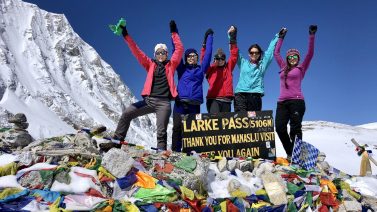
If Machu Picchu has been on your bucket list, hiking the Salkantay Trek is one of the most epic ways to experience it.
In May 2017, I trekked to Machu Picchu with Alpaca Expeditions, and it was an empowering, unforgettable adventure… perfect for those who want to feel safe, confident, and strong in the outdoors.
From glacier-capped peaks to lush cloud forests, vibrant culture, and ending at Machu Picchu, this trek is everything a bold hiker dreams of.
Here’s my full guide to help you prepare, plan, and crush this adventure.

How to Get to Cusco, Peru
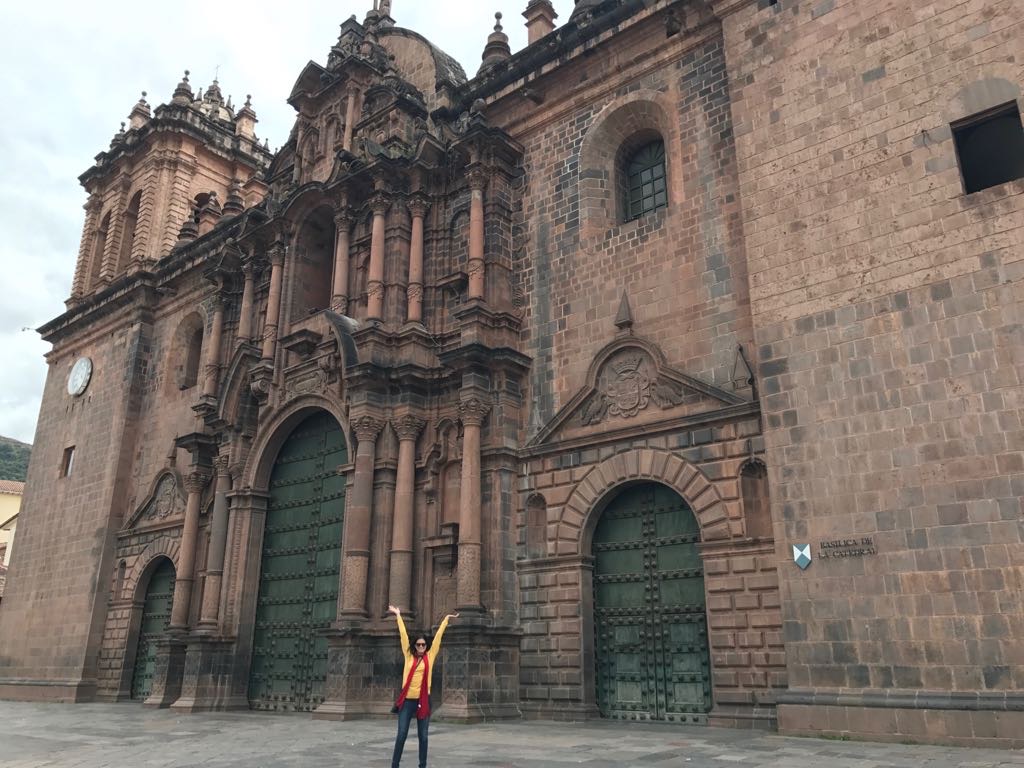
Most international travelers fly into Lima, Peru, then take a 1–1.5 hour domestic flight to Cusco, the gateway to Machu Picchu treks.
Tip: Arrive at least 2–3 days before your trek to adjust to Cusco’s high altitude.
Cusco Altitude & Acclimatization Tips
Cusco sits at 11,150 ft (3,399 m) above sea level, so your body will need a little time to adjust.
Altitude tips:
- Walk slowly and rest frequently
- Drink plenty of water
- Avoid alcohol for the first couple of days
- Drink coca tea, a traditional Andean remedy
- Eat light meals
Mild headache or shortness of breath is normal… listen to your body and take it slow.

Why I Chose the Salkantay Trek
The Salkantay Trek is a popular alternative to the Inca Trail. Less crowded, more rugged, and wildly scenic, it’s ideal for hikers looking for adventure.
Salkantay Trek Stats:
- Distance: 37 miles (60 km)
- Duration: 5 days / 4 nights
- Highest point: Salkantay Pass – 15,213 ft (4,638 m)
- Difficulty: Moderate to challenging
Best Time of Year to Hike the Salkantay Trek
Dry Season: May–September (ideal for clear views and fewer crowds)
- May: Sweet spot for weather and trail conditions
- June–July: Stunning views, colder nights
Rainy Season: November–March (heavier rain, muddy trails, cloudy views)
- February: Often closed for trail maintenance
Recommendation: Late April, May, or early June for optimal weather and crowd levels.
Salkantay Trek Itinerary: Day-by-Day Breakdown
The trek offers dramatic landscapes, cultural experiences, and physical challenges. Here’s what to expect each day, including mileage and elevation.

Day 1: Cusco → Mollepata → Soraypampa → Humantay Lake
Mileage: 7 miles (11 km)
Elevation Gain: 2,300 ft (700 m)
After a scenic drive from Cusco to Mollepata, the trek begins. Hike through Andean valleys and rolling hills to Soraypampa, our first campsite.
In the afternoon, we climbed to Humantay Lake, a stunning turquoise glacial lake at 13,700 ft. Steep, but worth it!

Day 2: Soraypampa → Salkantay Pass → Collpapampa
Mileage: 12 miles (19 km)
Elevation Gain: 2,600 ft (800 m)
Elevation Loss: 4,600 ft (1,400 m)
The toughest day! We climbed steadily to Salkantay Pass, the highest point at 15,213 ft. Snow-capped peaks and glaciers made the effort unforgettable.
After celebrating at the pass, we descended into Collpapampa, entering warmer terrain and the beginnings of the cloud forest.
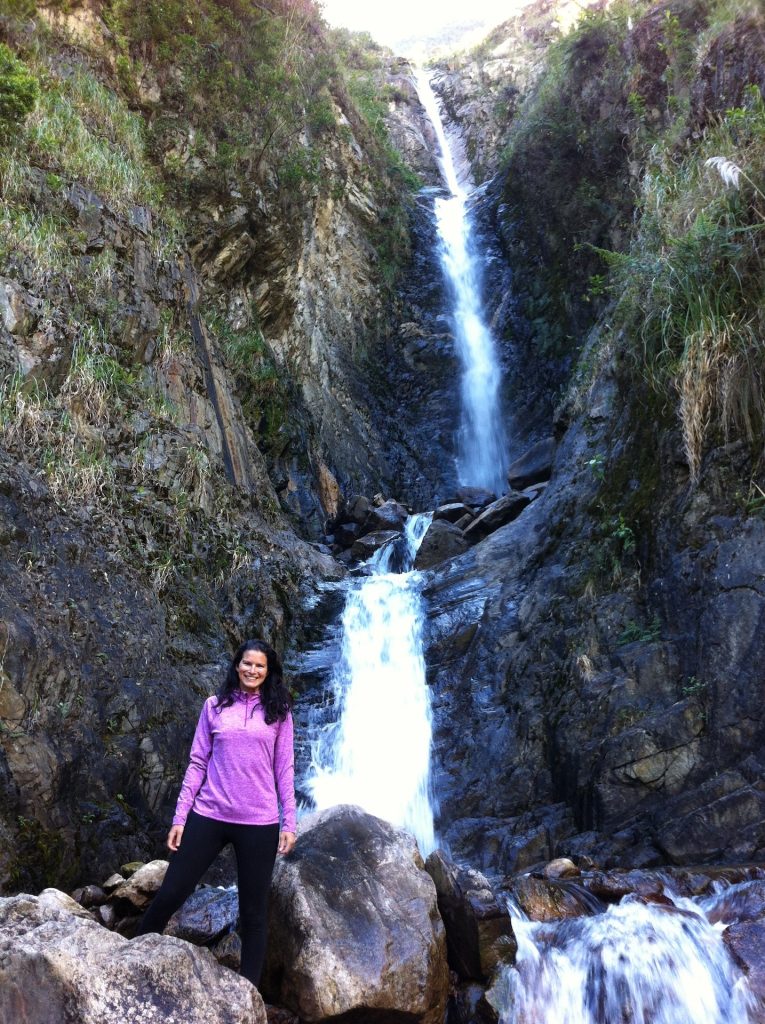
Day 3: Collpapampa → La Playa
Mileage: 10 miles (16 km)
Elevation Gain: 1,000 ft (300 m)
Elevation Loss: 2,600 ft (800 m)
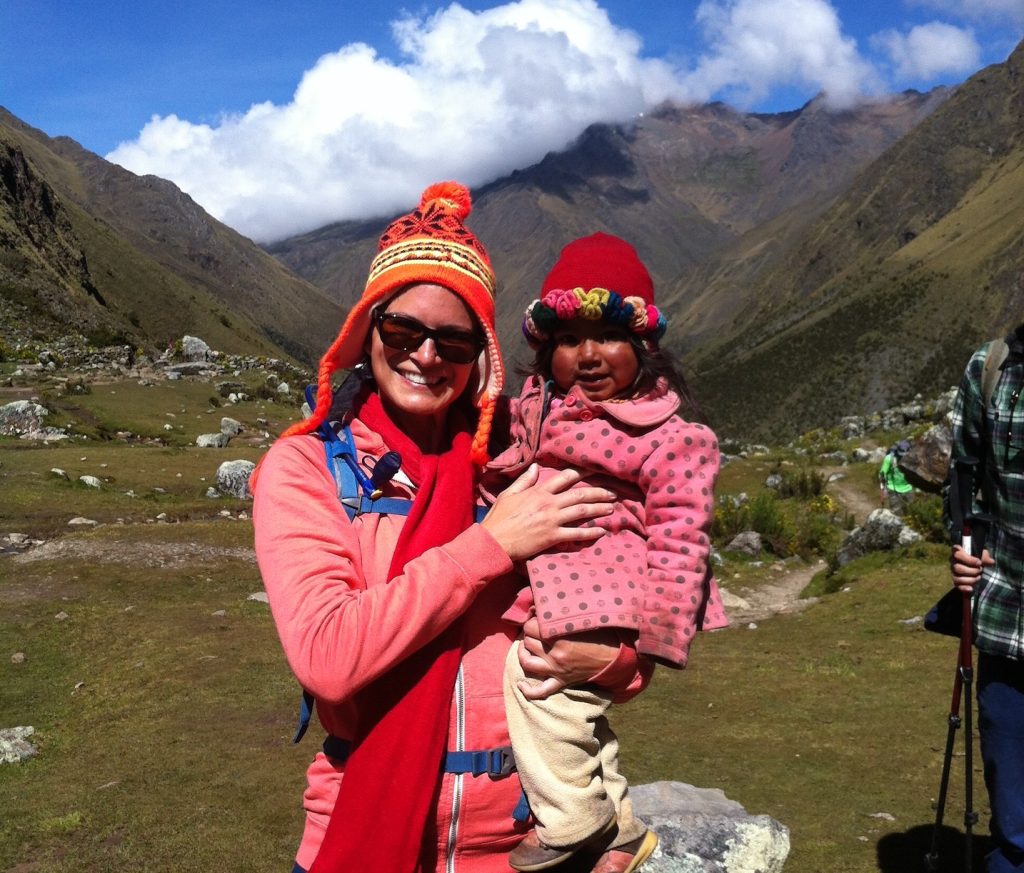
Hiking through lush cloud forest, waterfalls, rivers, and tropical plants. This day is easier on the legs and lungs, and we passed small farms growing coffee, bananas, and avocados… perfect for connecting with local life.
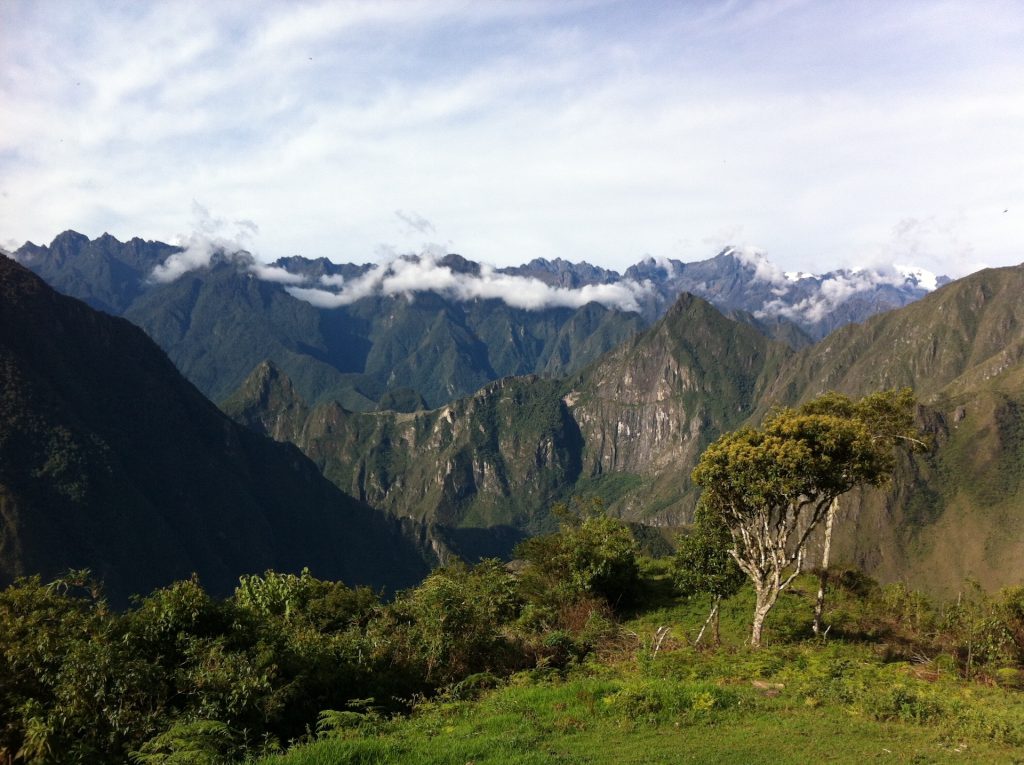
Day 4: La Playa → Llactapata → Aguas Calientes
Mileage: 6–7 miles (10–11 km)
Elevation Gain: 2,000 ft (600 m)
Elevation Loss: 2,600 ft (800 m)
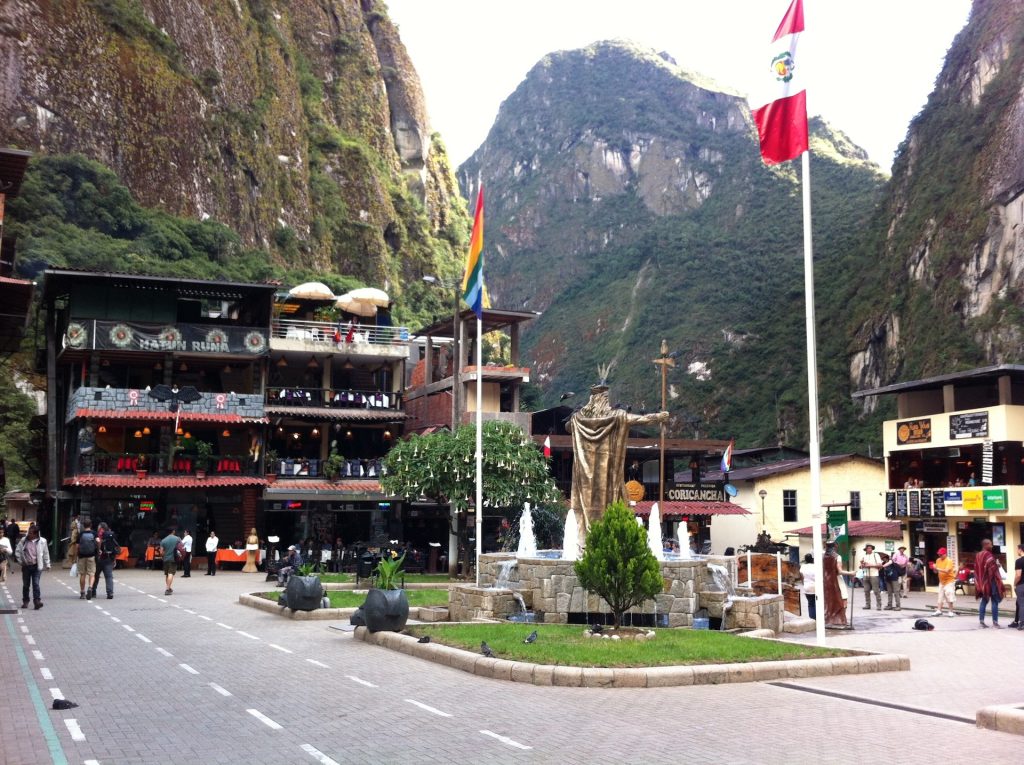
A climb to Llactapata Pass gives your first distant view of Machu Picchu… truly magical. Then descend to Hydroelectric and continue to Aguas Calientes, the town at the base of Machu Picchu. A shower and comfy bed feels amazing after days of camping.
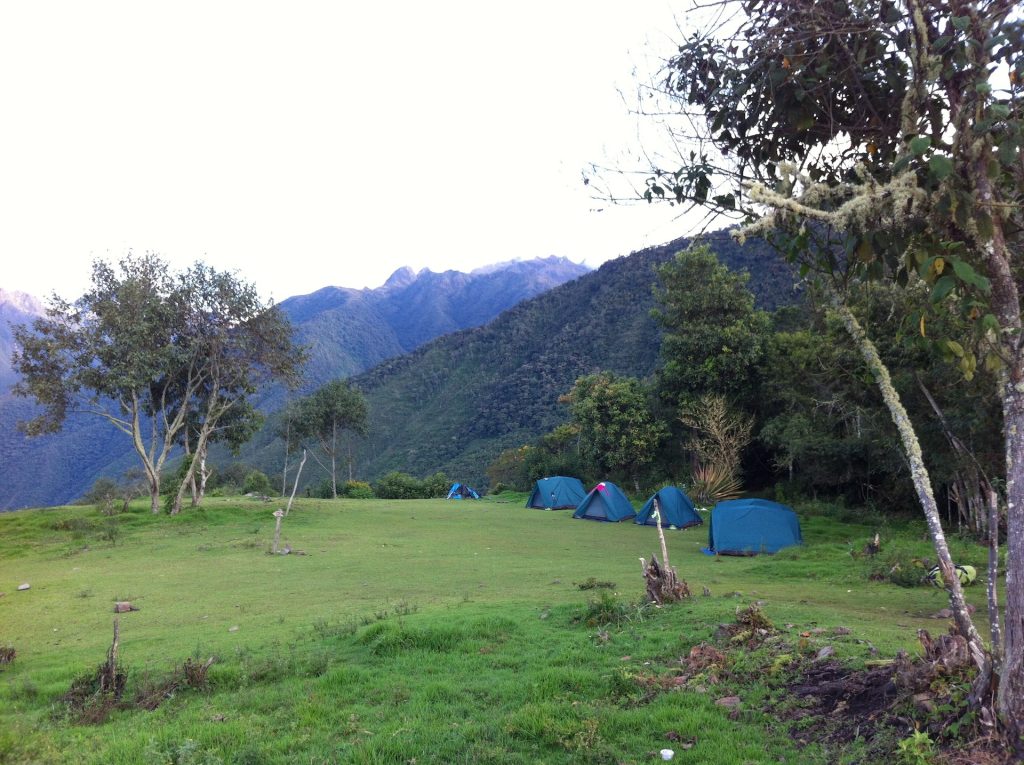
Day 5: Machu Picchu
Mileage: 2–3 miles (3–5 km)
Elevation Gain: 1,200 ft (365 m) (if hiking up)
Early morning wake-up to see sunrise at Machu Picchu. Guided tour plus free time to explore, take photos, and absorb the history. Reaching Machu Picchu after trekking for days is empowering and unforgettable.
What to Pack for the Salkantay Trek
Packing smart is essential for comfort and safety. Here’s what I recommend:
Clothing Essentials
- Moisture-Wicking Base Layers – 👉 Click to Buy
- Insulating Mid-Layer (Fleece/Down Jacket) – 👉 Click to Buy
- Waterproof Rain Jacket – 👉 Click to Buy
- Waterproof Rain Pants – 👉 Click to Buy
- Hiking Pants – 👉 Click to Buy
- Warm Beanie or Hat – 👉 Click to Buy
- Sun Hat or Cap – 👉 Click to Buy
- Lightweight Gloves – 👉 Click to Buy
- Wool Hiking Socks – 👉 Click to Buy
Hiking Gear
- Hiking Boots – 👉 Click to Buy
- Daypack (20–30L) with Rain Cover – 👉 Click to Buy
- Trekking Poles – 👉 Click to Buy
- Headlamp – 👉 Click to Buy
- Sunglasses (UV Protection) – 👉 Click to Buy
- Sunscreen (SPF 30+) – 👉 Click to Buy
- Reusable Water Bottle/Hydration Bladder – 👉 Click to Buy

Trail Extras & Personal Items
- Snacks or Energy Bars – 👉 Click to Buy
- Electrolyte Packets – 👉 Click to Buy
- Wet Wipes/Biodegradable Toiletries – 👉 Click to Buy
- Portable Cell Charger – 👉 Click to Buy
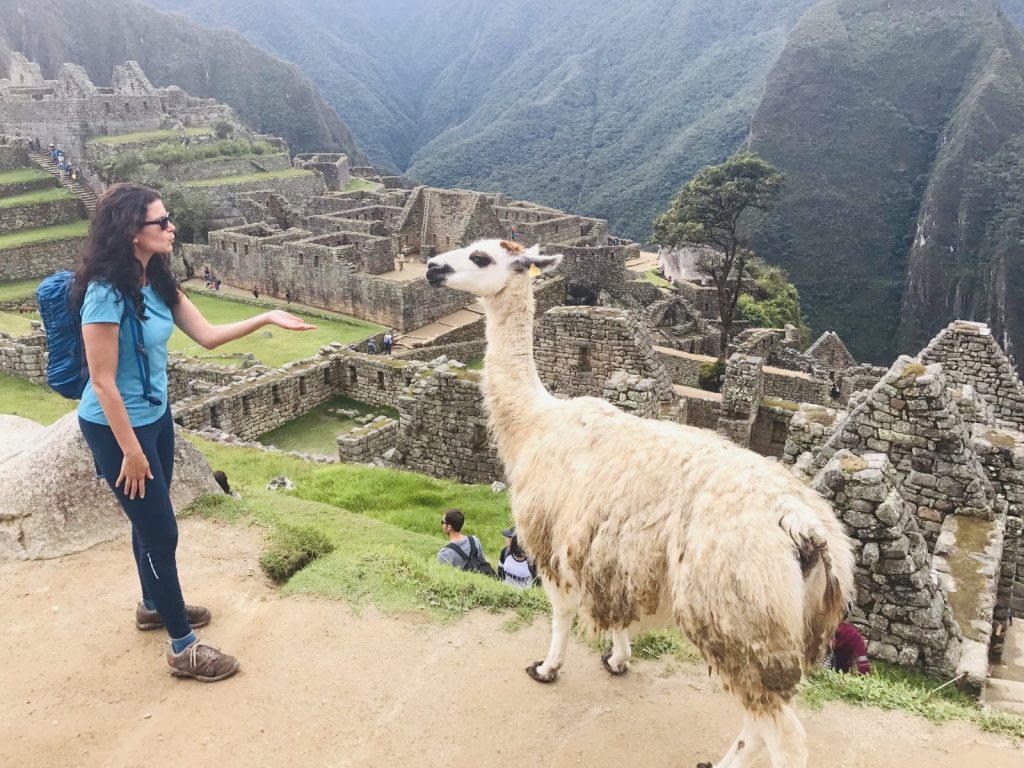
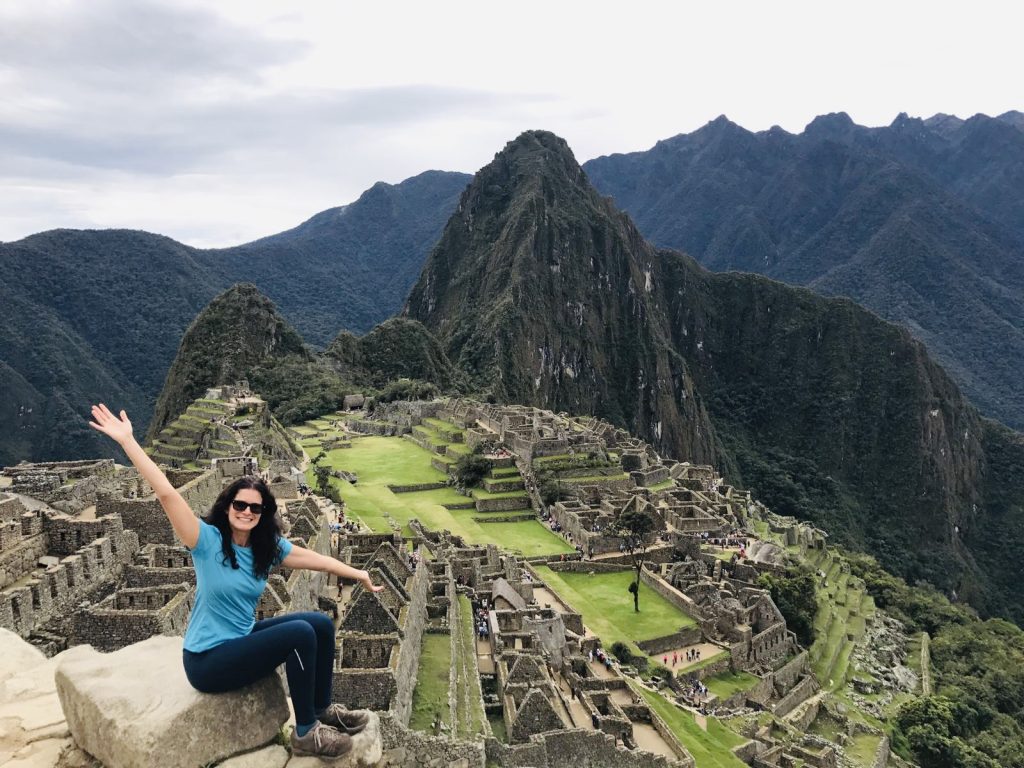
Machu Picchu Facts & History
- Built in the 15th century during Emperor Pachacuti’s reign
- Elevation: 7,970 ft (2,430 m)
- UNESCO World Heritage Site & one of the New Seven Wonders of the World
Arriving at Machu Picchu after days on the trail makes it feel truly earned and empowering.
Land Acknowledgment & Cultural Notes
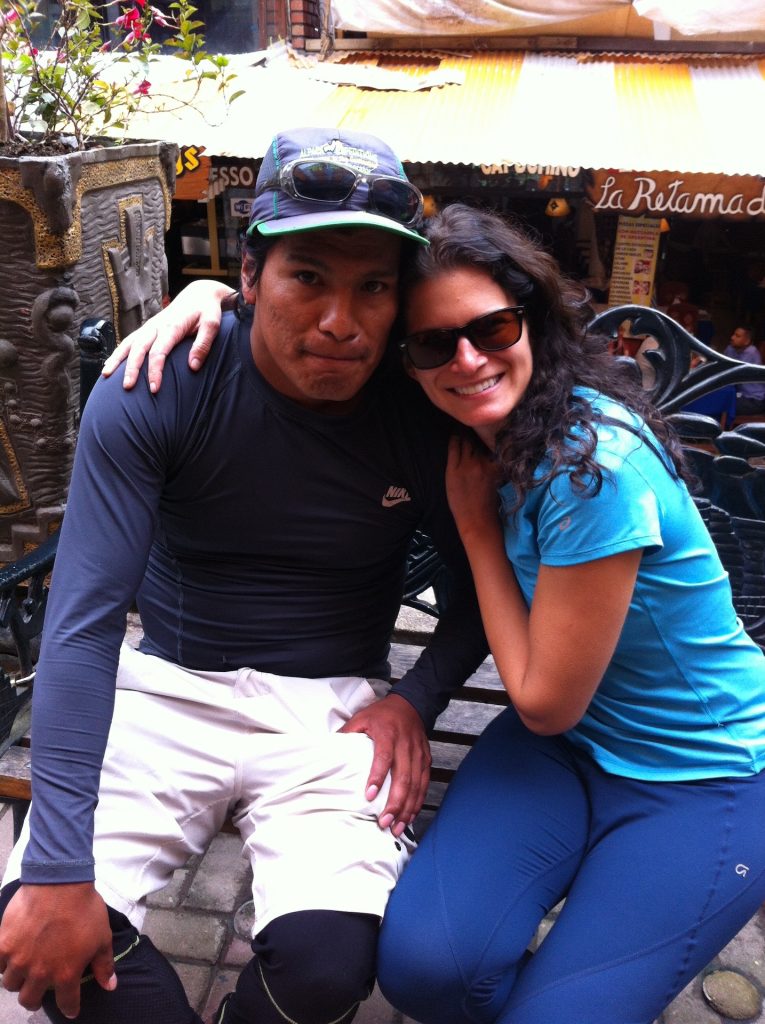
The trek passes through the ancestral lands of the Quechua people, descendants of the Inca, who maintain their culture, language, and traditions.
Language: Quechua is still widely spoken along the trail.
Cuisine: Guinea pig (cuy) is a traditional delicacy, deeply embedded in Andean culture.
Final Thoughts from The Hiker Babe
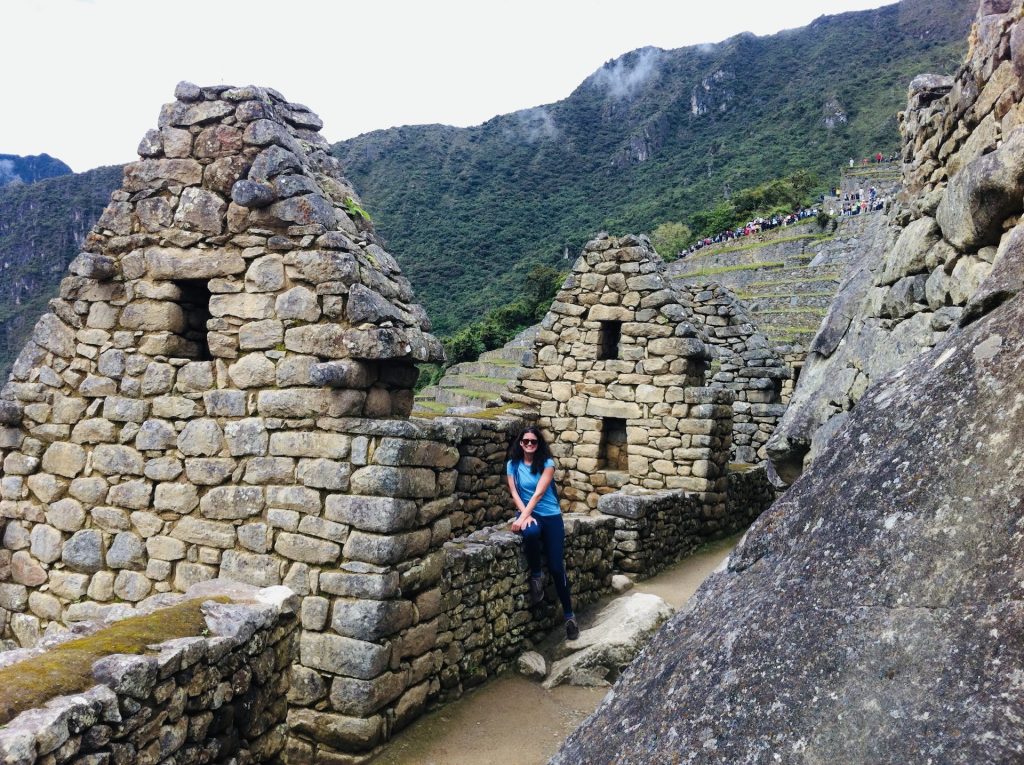
The Salkantay Trek challenged me physically, mentally, and emotionally. I walked away stronger, more confident, and connected to both the land and its people.
If you’re dreaming of a bold adventure, trust yourself, lace up your boots, and go chase that mountain. 🏔️💛
Affiliate Disclosure: I may earn a small commission if you purchase through these links at no extra cost to you.