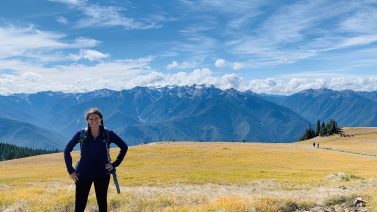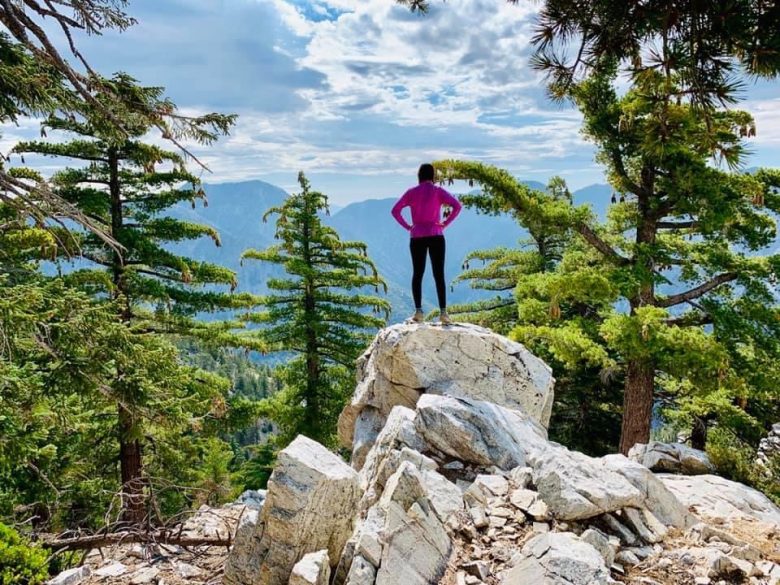
The Trail of Courage
Let’s get real for a minute: stepping into the wilderness can be scary. Whether you’re eyeing that steep trail for the first time or heading out on your own for a solo hike, the outdoors can bring up a lot of emotions. You know, the kind of fears that make you double-check your gear, wonder if you’re prepared enough, or even ask yourself, What was I thinking?
But here’s the thing—fear is natural. It’s a signal from your body that something matters. But it doesn’t have to hold you back. Trust me, I’ve been there. And today, I’m here to share some of the most common hiking fears I’ve heard from women just like you—and how to face them head-on. No fear, no limit!
So grab your hiking boots, a snack, and let’s dig in!
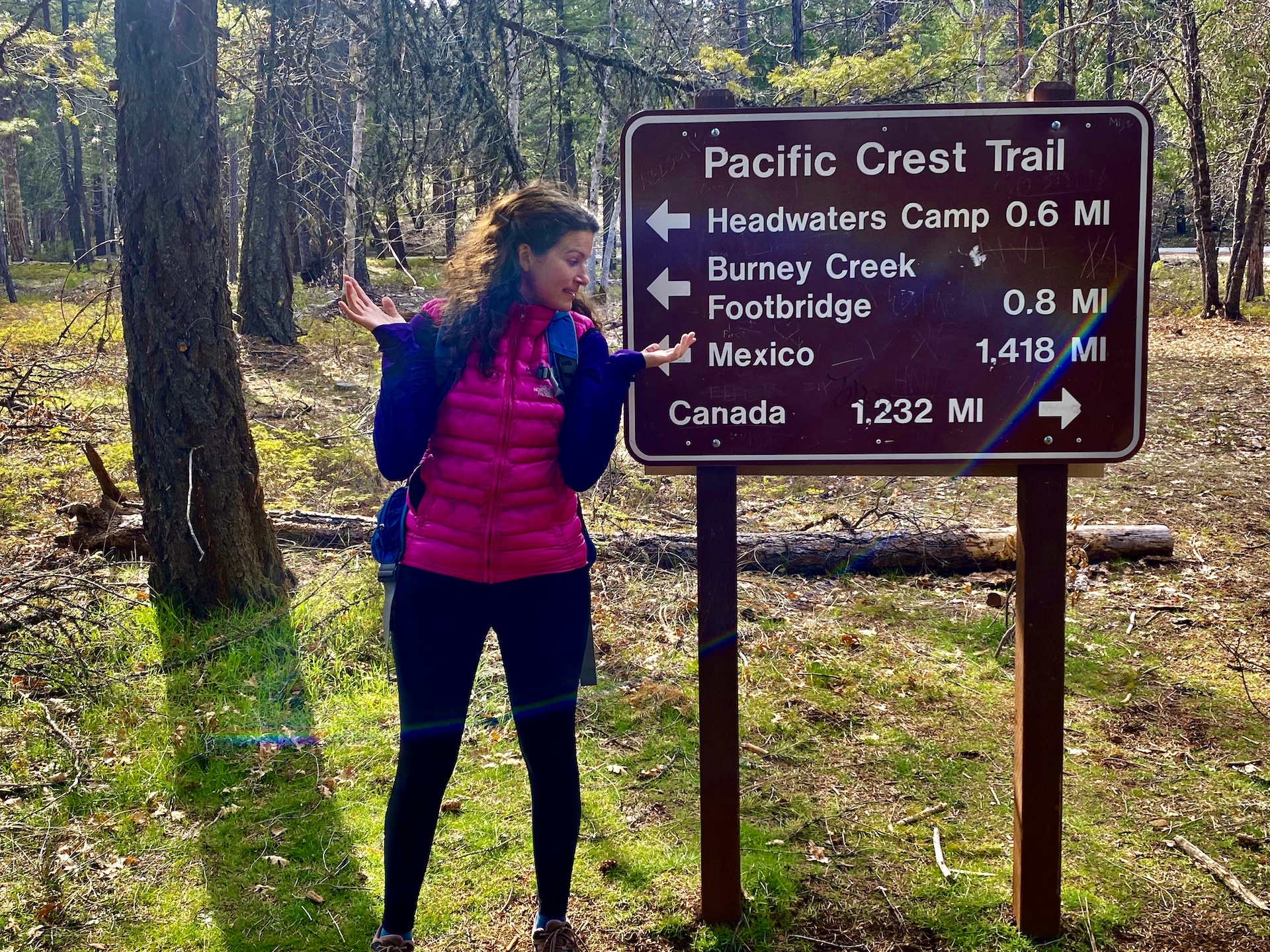
Fear #1: Getting Lost in the Wilderness
The Fear:
The thought of losing your way on a trail and not knowing how to get back is probably one of the most common fears for many hikers. What if the trail disappears? What if the signs aren’t clear? Or worse—what if there’s no one around to help?
How to Overcome It:
First, take a deep breath. It’s okay to feel a little anxious. Getting lost is actually a lot less likely than you might think. But it’s still smart to prepare just in case. Here are some ways to feel more confident:
- Plan and Research Your Hike: Make sure you know the trail before you even step foot on it. Look up maps, check trail reviews, and study the route. There are plenty of hiking apps that give you detailed maps right on your phone (I love AllTrails and Gaia GPS).
- Bring a Compass and Map (or Download Offline Maps): Even if you’re using a GPS or hiking app, it’s always good to have a paper map and compass. They’re tried and true when technology fails. Plus, it’s a good skill to have!
- Stay on Marked Trails: Stick to well-marked trails, especially when you’re starting out. The clearer the trail markers, the less chance you’ll veer off track.
- Trust Your Instincts: If something doesn’t feel right, turn back. A hike is about the journey, not just the destination. It’s okay to cut a trail short if you don’t feel comfortable.
I’ve found that the more I hike, the more I trust myself to figure it out. The wild is a place that invites curiosity and learning, so embrace that feeling of wonder and take it one step at a time.
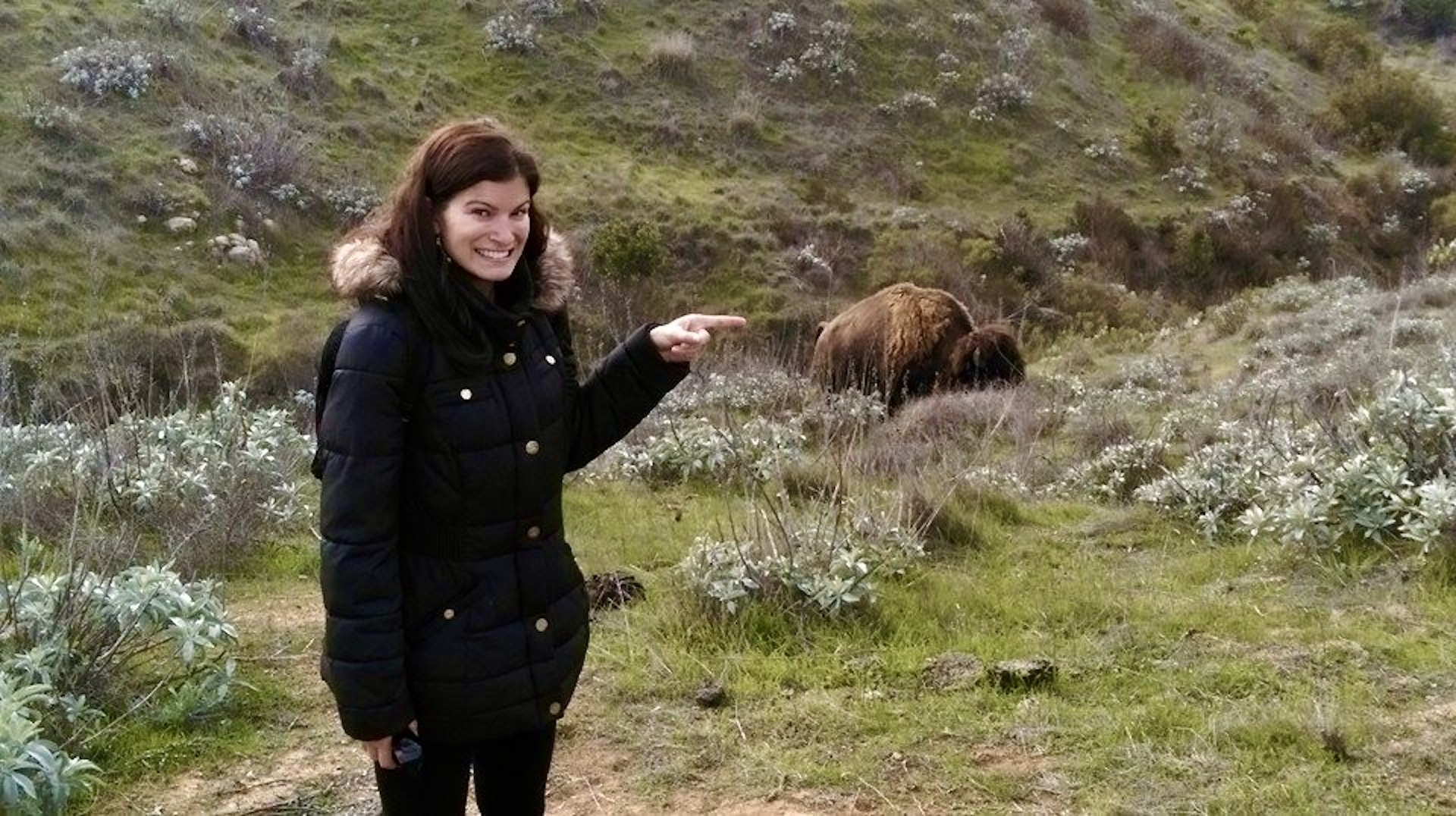
Fear #2: Encountering Wildlife (and Not the Friendly Kind)
The Fear:
Seeing a bear? A mountain lion? A rattlesnake? The thought of a wild animal crossing your path can be downright terrifying. You might wonder, “Am I prepared to handle this?”
How to Overcome It:
Here’s the thing: most wild animals want nothing to do with you. They’re just living their lives, same as you. But let’s face it: a bear encounter isn’t something you want to be unprepared for. Here’s how to stay safe:
- Know Your Area: Before heading out, research the wildlife in your hiking region. Are there bears, snakes, or cougars in the area? Knowing what to expect will help you stay calm if you do see something.
- Stay Calm and Back Away: If you spot wildlife, don’t panic. Most animals will steer clear if you give them space. Slowly and calmly back away, never turn your back or run.
- Carry Bear Spray: If you’re in bear country, this is non-negotiable. Bear spray is a proven deterrent and can be your best friend if things go south. Practice using it at home so you’re ready in a crisis.
- Make Noise: If you’re hiking in an area known for wildlife, make noise as you walk. Yell out, sing, or even wear a bear bell. Animals tend to avoid humans when they hear us coming.
I’ve had a few close calls with wildlife (hiking in California I have encountered my fair share of bears and rattlesnakes), and honestly, yes it’s terrifying, but I realize that they actually are more afraid of me than I am of them. Just stay aware, and you’ll be fine!

Fear #3: Hiking Alone
The Fear:
For many women, the idea of hiking solo can be a huge source of fear. You’re out there in the wild, all by yourself, with no one around to help if something goes wrong. What if I get hurt? What if I don’t come back?
How to Overcome It:
Here’s the truth: Hiking solo is one of the most empowering experiences you can have. Yes, it can be intimidating at first, but once you take that first step, it’s a huge confidence booster. Here’s how to do it safely:
- Tell Someone Where You’re Going: Always let a friend or family member know your trail, start time, and estimated return time. Share your hiking plan, and if possible, leave them with a copy of your route.
- Stay Connected: Many hikers use apps like Life360 or two-way radio walkie talkie to stay in touch with loved ones. I personally carry a Garmin inReach when I hike. This can give you peace of mind and is especially useful on longer hikes or if you’re going off the beaten path.
- Trust Your Gut: If something doesn’t feel right—whether it’s the trail, the weather, or your surroundings—listen to your intuition and turn back. The wilderness can be unpredictable, but trusting yourself makes all the difference.
I’ve done a lot of solo hikes, and honestly, it’s been a transformative part of my hiking journey. You don’t need to do it alone forever, but starting with a solo adventure can help you realize just how much power you have within.
Fear #4: The Physical Challenge
The Fear:
What if you’re not fit enough? What if you can’t handle the terrain or end up too tired to finish? The thought of pushing your body to its limits can be daunting, especially if you’re new to hiking or haven’t done it in a while.
How to Overcome It:
You don’t need to be a marathon runner to enjoy hiking. It’s about finding your pace, listening to your body, and enjoying the journey. Here’s how to make sure you’re physically ready:
- Start Small and Build Up: Don’t aim for a 10-mile summit hike right out of the gate. Start with shorter trails and gradually increase your distance and difficulty.
- Train for Hiking: Walking uphill, using a stair climber, or hiking with a weighted backpack are great ways to build stamina. Also, work on your leg strength and core to keep yourself balanced and agile on uneven terrain.
- Take Breaks: If you’re tired, sit down, hydrate, and enjoy the scenery. It’s okay to rest! Remember, hiking isn’t a race, it’s about connecting with nature.
- Listen to Your Body: If something hurts, stop and assess. Don’t push yourself past a reasonable limit. The goal is to have fun, not to make yourself miserable.
I promise, with each hike, your body gets stronger, and your confidence grows. Soon, the physical challenge will feel less like a fear and more like an exciting part of the adventure.
Embrace the Fear, Celebrate the Adventure
Here’s the bottom line: Fear is part of every adventure, whether you’re hiking for the first time or the 100th. But the beauty of hiking—and the outdoors in general—is that it offers the chance to face those fears, learn from them, and grow stronger.
So the next time you feel the fear rising, remember: you’ve got this! With a little preparation, a lot of confidence, and a sense of curiosity, you can turn every fear into an opportunity for growth. Let the trail be your teacher, and the wild your playground.
Are you ready to take that next step? The mountains are waiting. 🌲
If you’re looking for more tips on how to stay safe, confident, and empowered in the outdoors, check out my other posts and hiking guides.
You’ve got the heart of an explorer—now let’s make sure you’re geared up for your next adventure!
Affiliate Disclaimer
Some of the links on this site are affiliate links. This means that if you click on the link and make a purchase, I may receive a small commission at no extra cost to you.
I only recommend products and services I genuinely believe in and think may be beneficial to my readers. These commissions help support the work I do to bring you valuable information and product recommendations.
Thank you for your support!