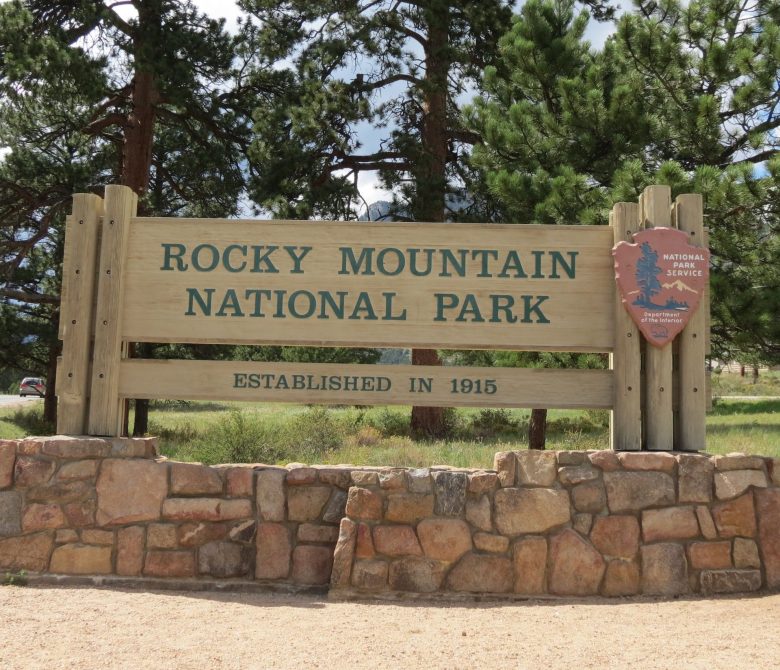
If you’re looking for alpine lakes, towering mountain peaks, incredible wildlife, and some of the most breathtaking hiking in Colorado, Rocky Mountain National Park should be at the top of your list.
Located just outside Estes Park, this iconic national park is home to more than 350 miles of trails, pristine alpine lakes, and one of the highest scenic drives in the United States.
I’ve explored several areas of the park. Every area of the park is unique.
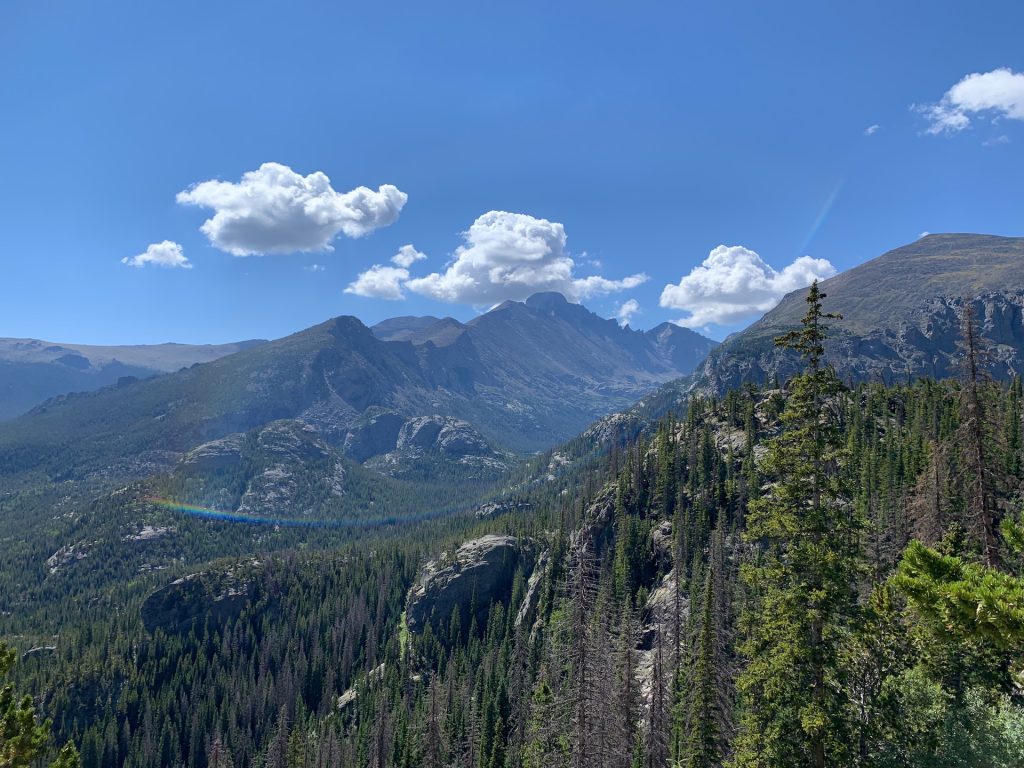
I especially love the Bear Lake corridor. There’s something magical about hiking from one crystal-clear alpine lake to another, each with its own unique scenery and personality.
Whether you’re visiting for a weekend or planning an entire hiking vacation, this guide covers everything you need to know… from the best trails and scenic drives to helpful planning tips.
Acknowledging the Land
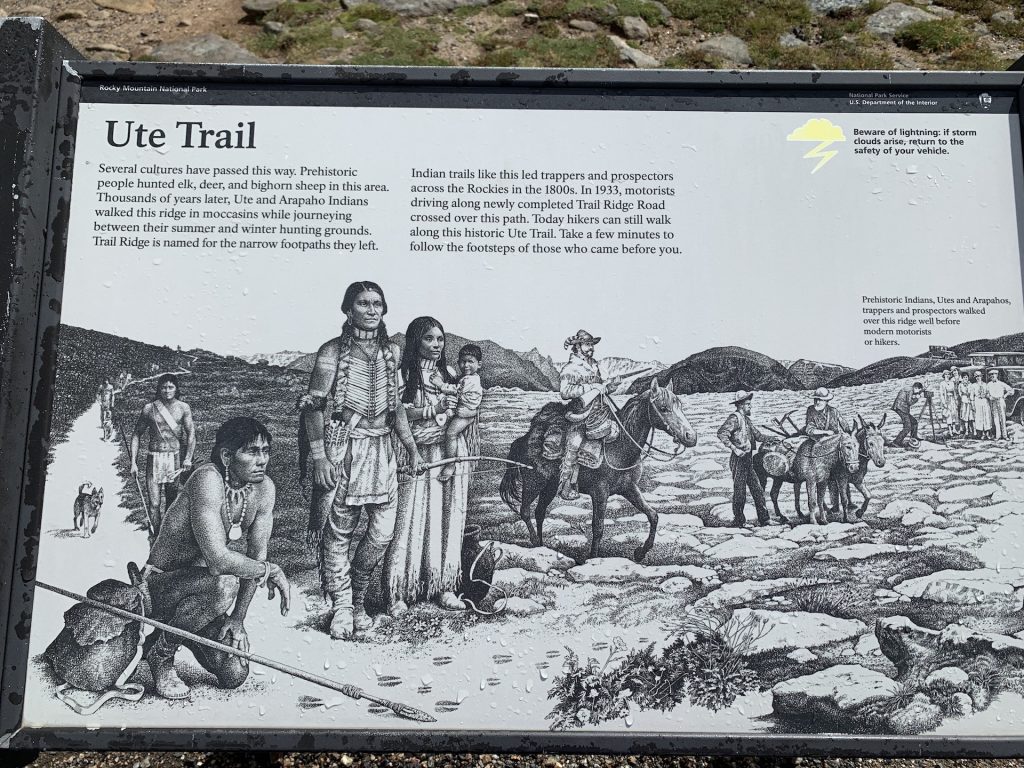
Before exploring Rocky Mountain National Park, it’s important to recognize that these mountains, valleys, and alpine meadows have been home to Indigenous peoples for thousands of years.
The lands that make up the park are the traditional homelands of many Tribal Nations, including the Ute, Arapaho, Cheyenne, and other Indigenous peoples who have maintained deep cultural, spiritual, and ecological connections to this landscape for generations.
Long before the area became a national park in 1915, Indigenous communities traveled through these mountains to hunt, gather plants, conduct ceremonies, and care for the land.
As visitors today, taking a moment to acknowledge the original stewards of this landscape reminds us that Rocky Mountain National Park is not only a place of extraordinary natural beauty but also a living cultural landscape with a rich and enduring Indigenous history.
Planning Your Visit
Rocky Mountain National Park is one of the most visited national parks in the United States, so a little planning goes a long way.
If you’re visiting during the busy summer or early fall season, be sure to check whether a timed-entry reservation is required. Reservations typically sell out well in advance, especially for the Bear Lake Road corridor.
Another important thing to consider is the park’s elevation. Many trailheads begin around 9,000 to 10,000 feet, and several hikes climb well above 12,000 feet. Even experienced hikers may find themselves moving more slowly than usual.
Be sure to:
- Drink plenty of water.
- Pace yourself.
- Wear layers, even during summer.
- Start hikes early to avoid afternoon thunderstorms and crowded trails.
Drive Trail Ridge Road
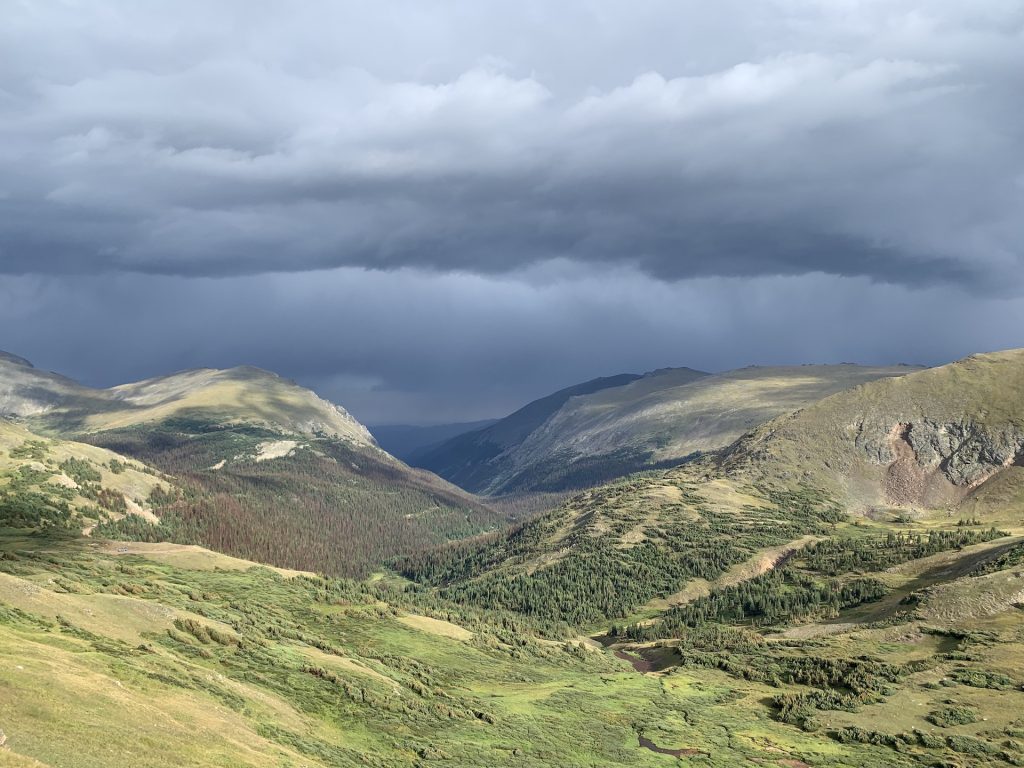
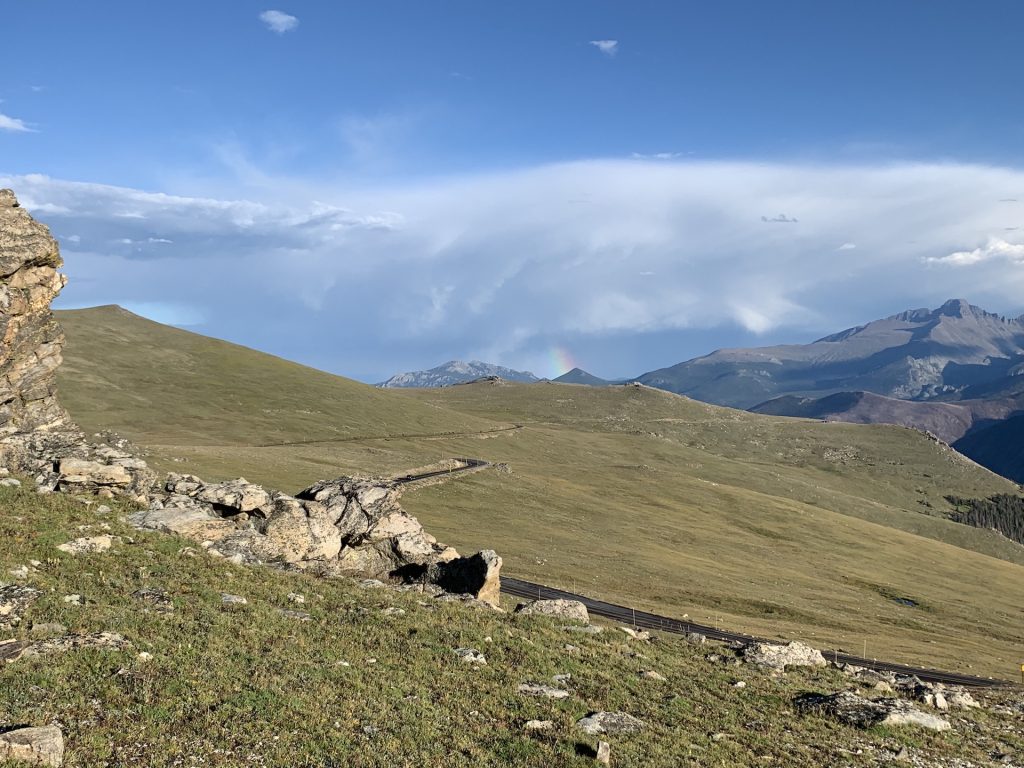
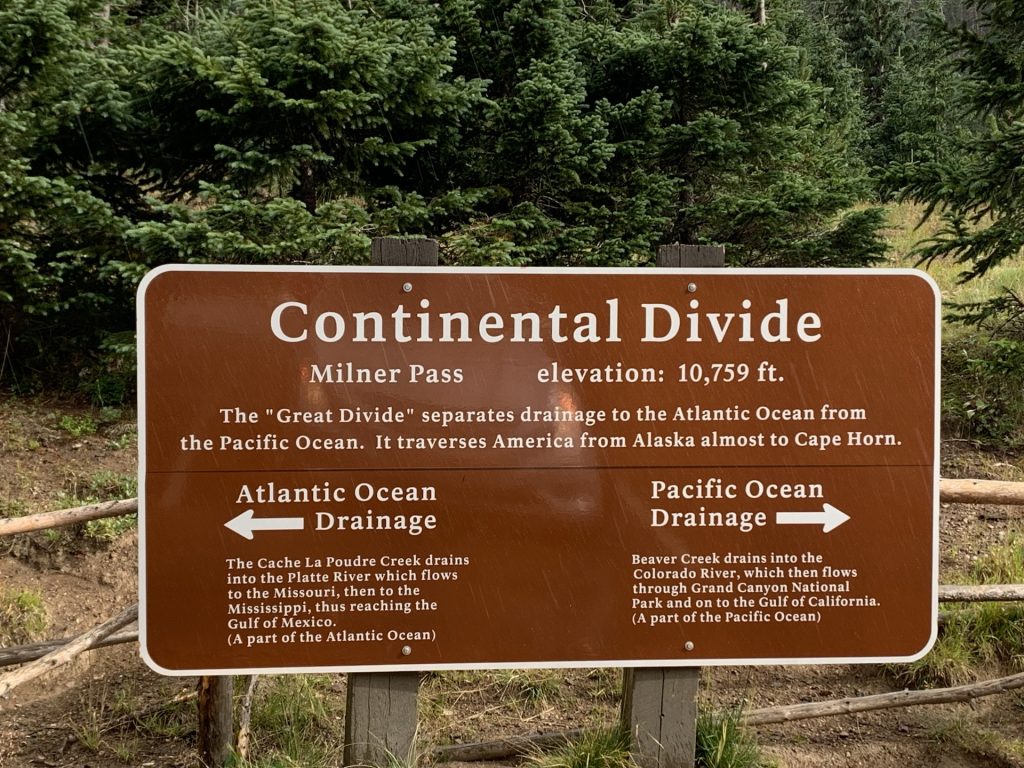
Even if hiking is your main goal, don’t miss Trail Ridge Road. Stretching 48 miles between Estes Park and Grand Lake, this remarkable scenic highway climbs above the trees and into the alpine tundra, reaching an elevation of 12,183 feet.
It is the highest continuous paved road in the United States and the highest paved through-road in the U.S. National Park System.
Driving Trail Ridge Road feels like traveling into another world. As you gain elevation, dense pine forests gradually disappear, giving way to the fragile alpine tundra… a unique ecosystem that exists above the tree line.
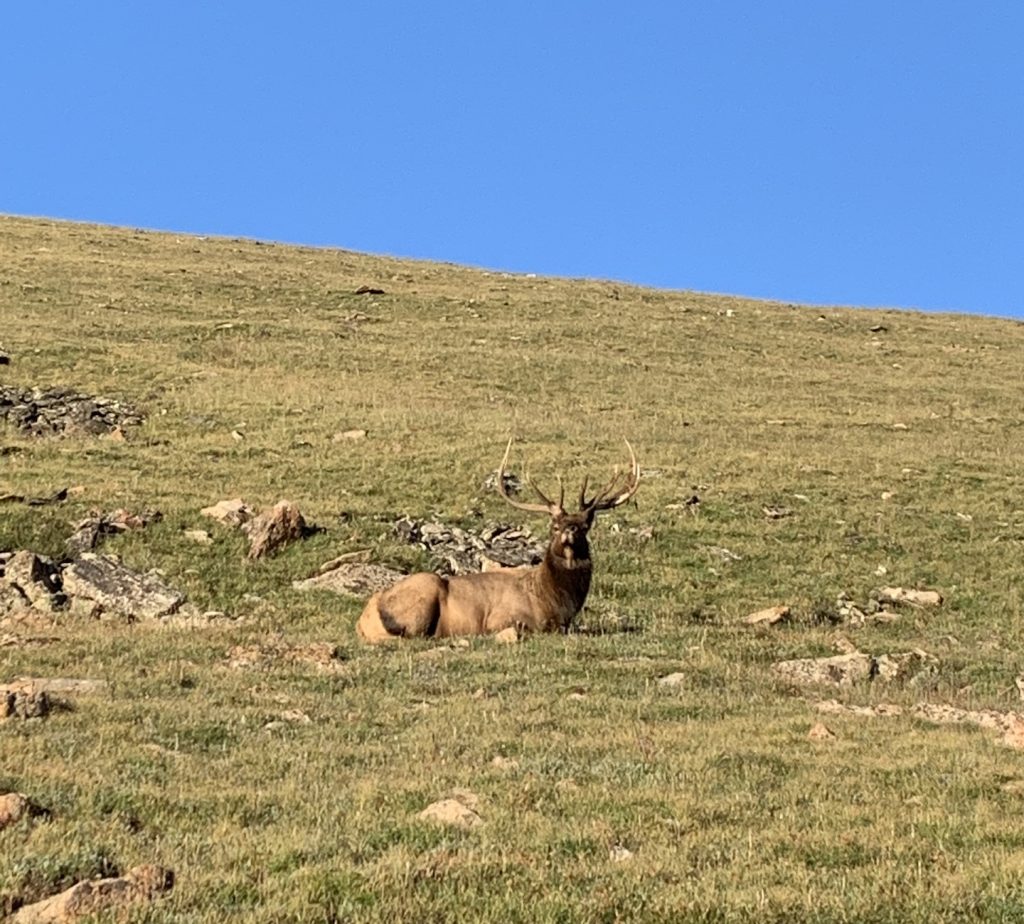
During the short summer season, tiny wildflowers bloom between the rocks, while marmots, pikas, elk, and even bighorn sheep can often be spotted along the roadside.
There are numerous scenic overlooks where you can stop to soak in panoramic views of the Rocky Mountains. On a clear day, the vistas seem endless, making this one of the most unforgettable drives in Colorado.
Because of heavy snowfall, Trail Ridge Road is typically open only from late May through mid-October, depending on weather conditions.
Stop at the Alpine Visitor Center
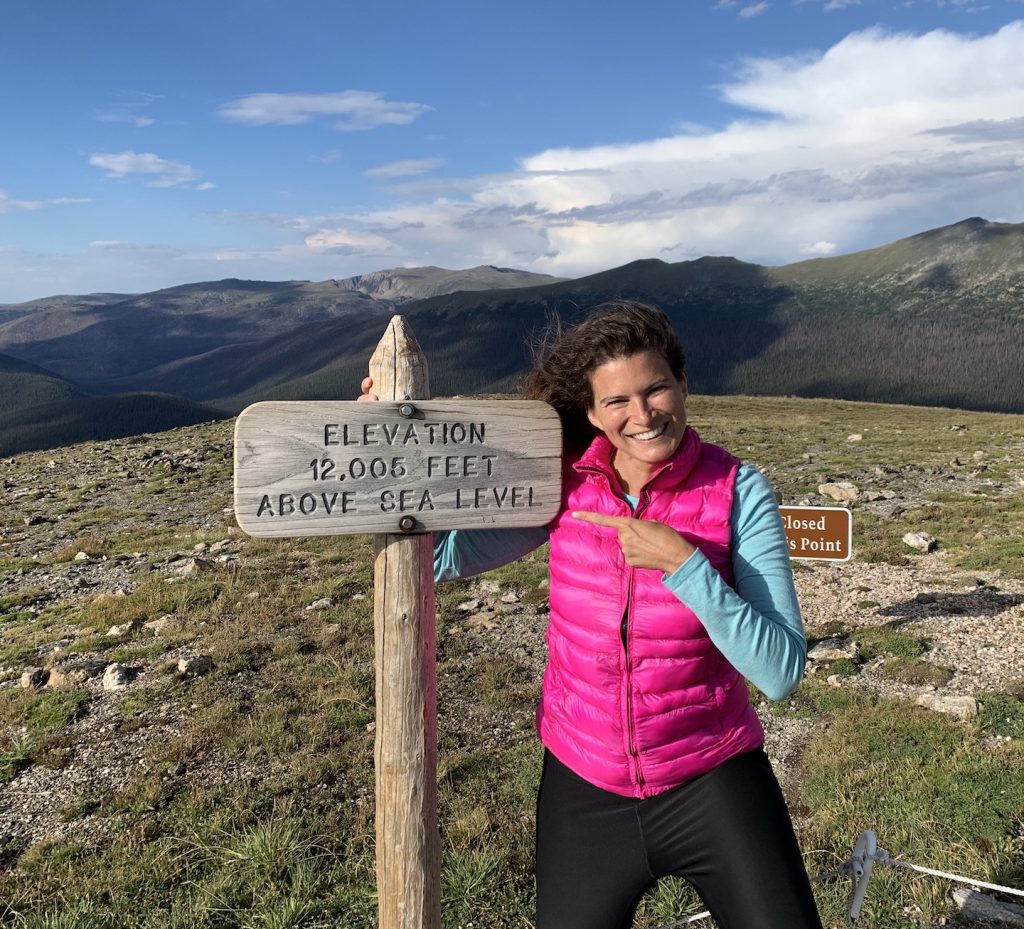
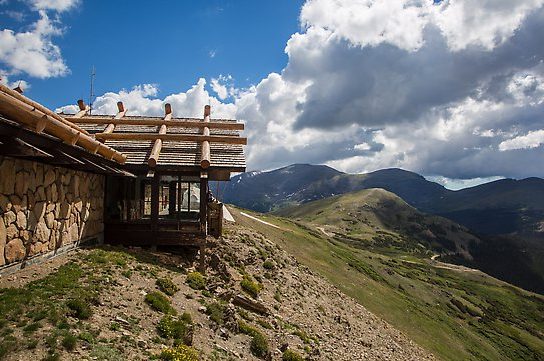
One of my favorite stops along Trail Ridge Road is the Alpine Visitor Center, perched at an incredible 11,796 feet above sea level. It’s the highest visitor center in the entire U.S. National Park System, and simply standing outside offers incredible views of the surrounding mountains.
Inside, you’ll find exhibits about the alpine tundra, local wildlife, and the unique challenges of life at high elevations. Rangers are also available to answer questions and share fascinating insights about this fragile ecosystem.
Even in the middle of summer, temperatures here can be surprisingly cool, so it’s worth bringing a light jacket before stepping outside.
Hike the Alpine Ridge Trail
Difficulty: Easy ★★☆☆☆
Distance: 0.6 miles round trip
Elevation Gain: Approximately 200 feet
Don’t let the short distance fool you… this hike packs an incredible punch.
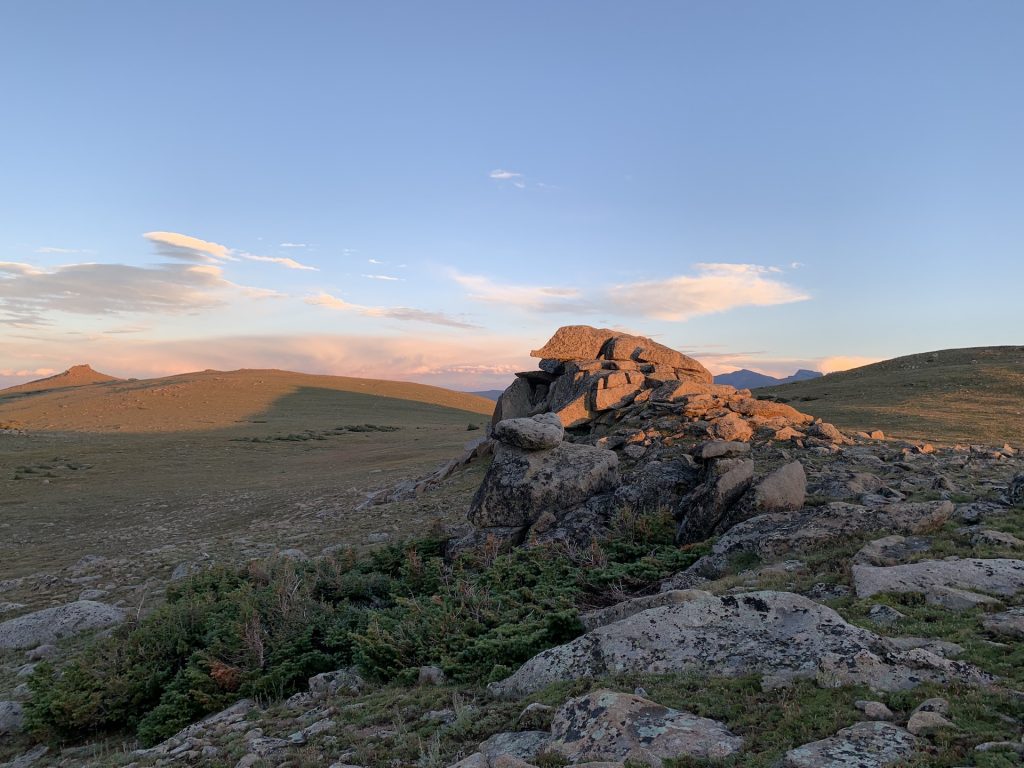
Beginning just behind the Alpine Visitor Center, the Alpine Ridge Trail climbs approximately 225 steps to an overlook above 12,000 feet. Locals affectionately call it “Huffer’s Hill,” and you’ll quickly understand why. The thin mountain air makes even this short climb feel like a workout.
At the top, you’re rewarded with sweeping 360-degree views of the alpine tundra and surrounding mountain ranges. It’s one of the easiest ways to experience Colorado’s high country without committing to a long backcountry hike.
Take your time, catch your breath, and enjoy the scenery… you’ve earned it!
My Favorite Area: Bear Lake
If I had to recommend just one area of Rocky Mountain National Park, it would be the Bear Lake Road corridor.
This part of the park offers an incredible variety of scenery in a relatively small area. Within just a few miles, you can hike to multiple alpine lakes, waterfalls, and panoramic overlooks, making it easy to customize your adventure depending on how much time and energy you have.
Whether you’re looking for an easy family stroll or a more challenging day hike, the Bear Lake area has something for everyone.
Bear Lake
Difficulty: Easy ★☆☆☆☆
Distance: 0.6 miles round trip
Elevation Gain: Approximately 50 feet
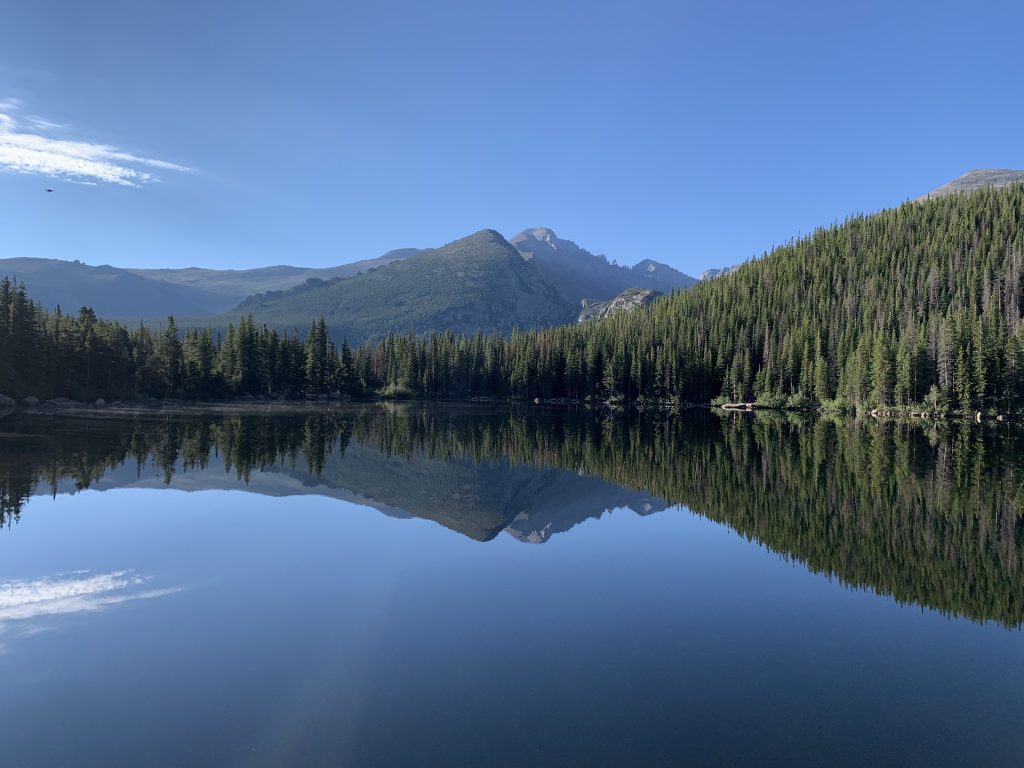
Bear Lake is often the first stop for visitors… and for good reason. The flat loop around the lake offers stunning reflections of Hallett Peak and Flattop Mountain, especially during the early morning when the water is calm.
Although it’s one of the shortest hikes in the park, it’s also one of the most scenic and makes a wonderful introduction to the beauty of Rocky Mountain National Park.
Nymph Lake
Difficulty: Easy ★★☆☆☆
Distance: 1.2 miles round trip
Elevation Gain: Approximately 225 feet
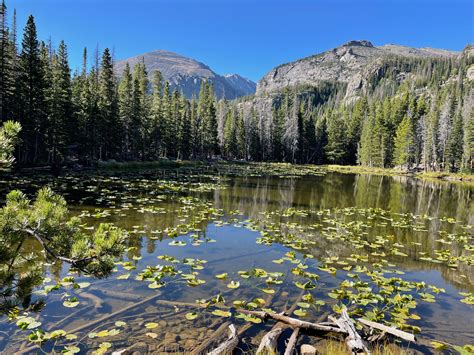
Continuing from Bear Lake, the trail climbs gently through the forest to Nymph Lake. During the summer months, lily pads cover much of the lake’s surface, creating a peaceful setting that’s noticeably different from the larger alpine lakes farther up the trail.
It’s a great place to pause, catch your breath, and enjoy the quiet before continuing deeper into the mountains.
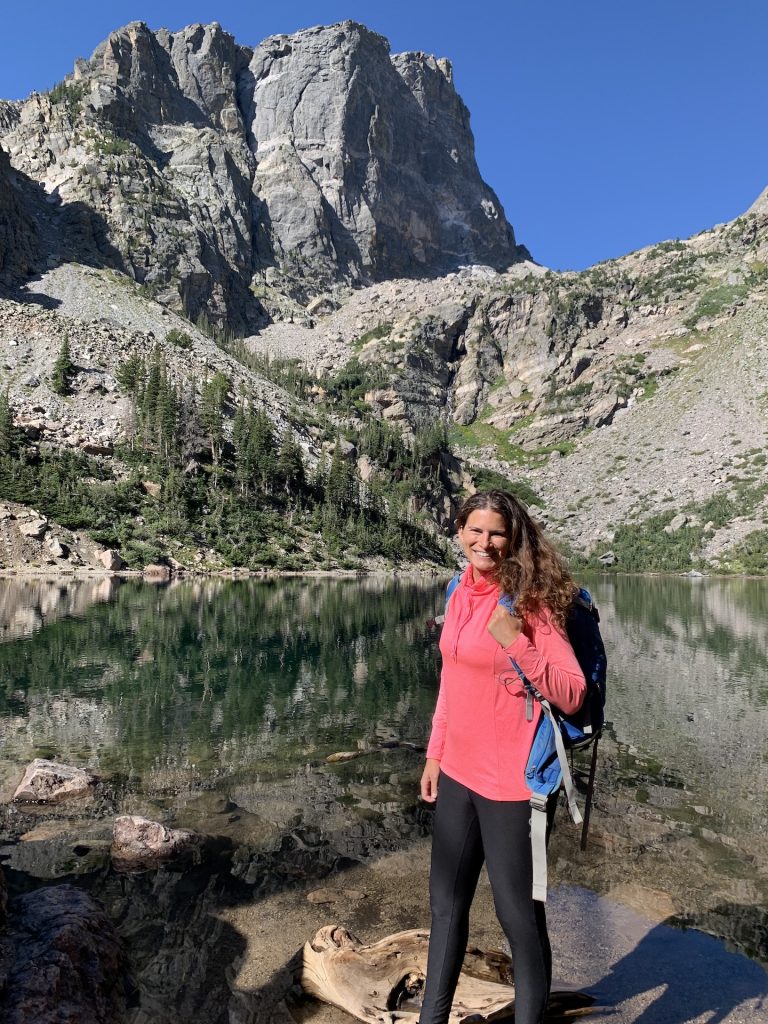
Dream Lake
Difficulty: Easy to Moderate ★★☆☆☆
Distance: 2.2 miles round trip
Elevation Gain: Approximately 450 feet
Dream Lake truly lives up to its name. Nestled beneath rugged mountain cliffs, it’s one of the most photographed destinations in the park.
The trail is well maintained and suitable for most hikers, making it a favorite for families, photographers, and anyone looking for an unforgettable alpine lake without a strenuous climb.
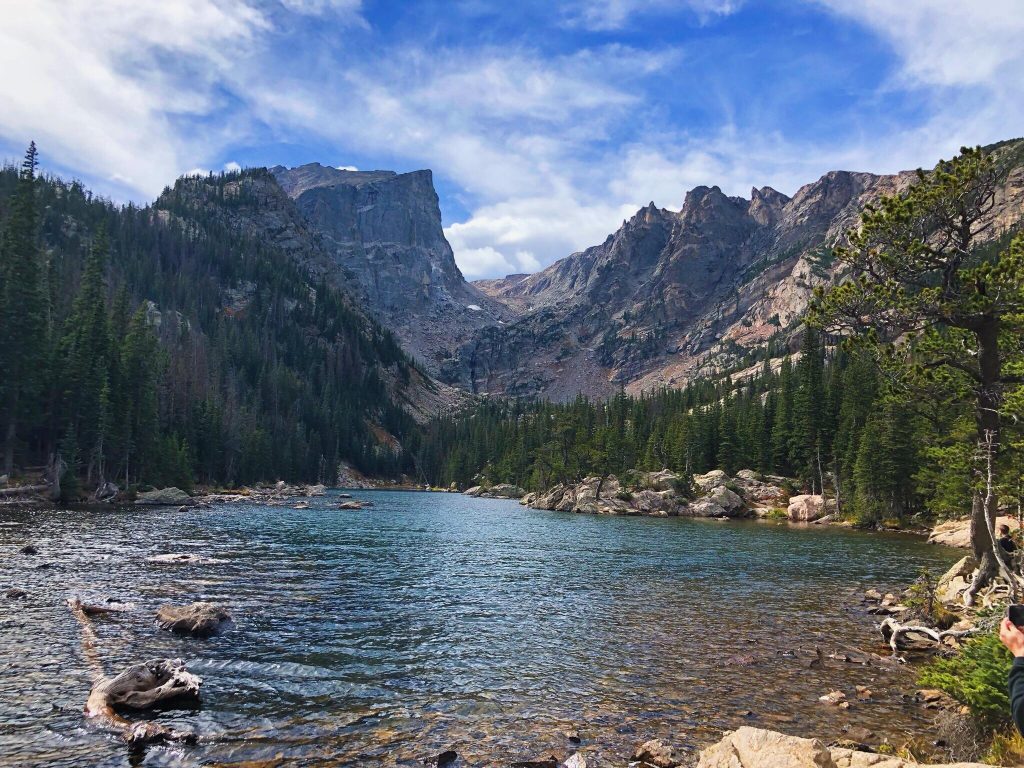
Emerald Lake
Difficulty: Moderate ★★★☆☆
Distance: 3.2 miles round trip
Elevation Gain: Approximately 700 feet
If you’re already hiking to Dream Lake, I highly recommend continuing to Emerald Lake. It’s only another half mile, and in my opinion, it’s one of the most beautiful lakes in Rocky Mountain National Park.
The trail climbs gradually past Dream Lake before opening to Emerald Lake, where dramatic rock walls and towering peaks surround the crystal-clear water. The scenery here feels truly alpine, and it’s the perfect place to stop for a snack and soak in the views before heading back down.
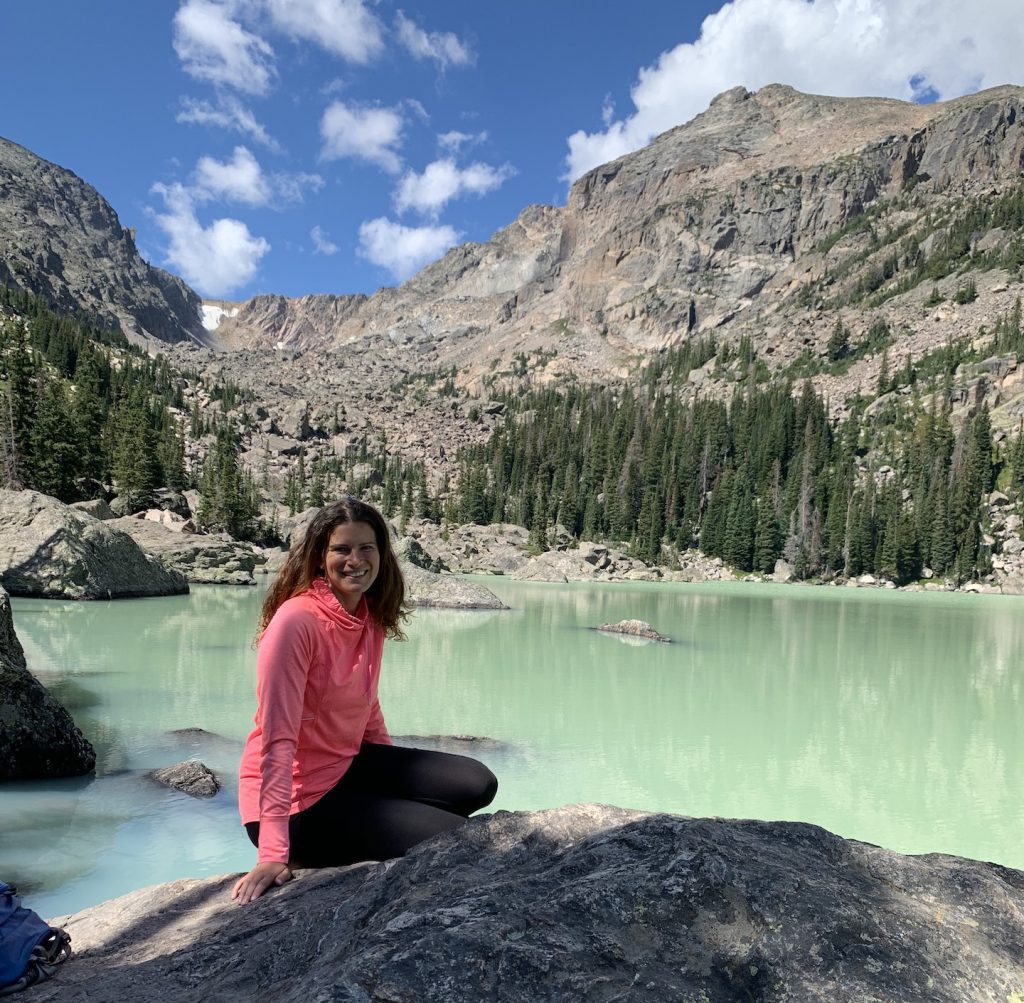
Lake Haiyaha
Difficulty: Moderate ★★★☆☆
Distance: 4.2 miles round trip
Elevation Gain: Approximately 850 feet
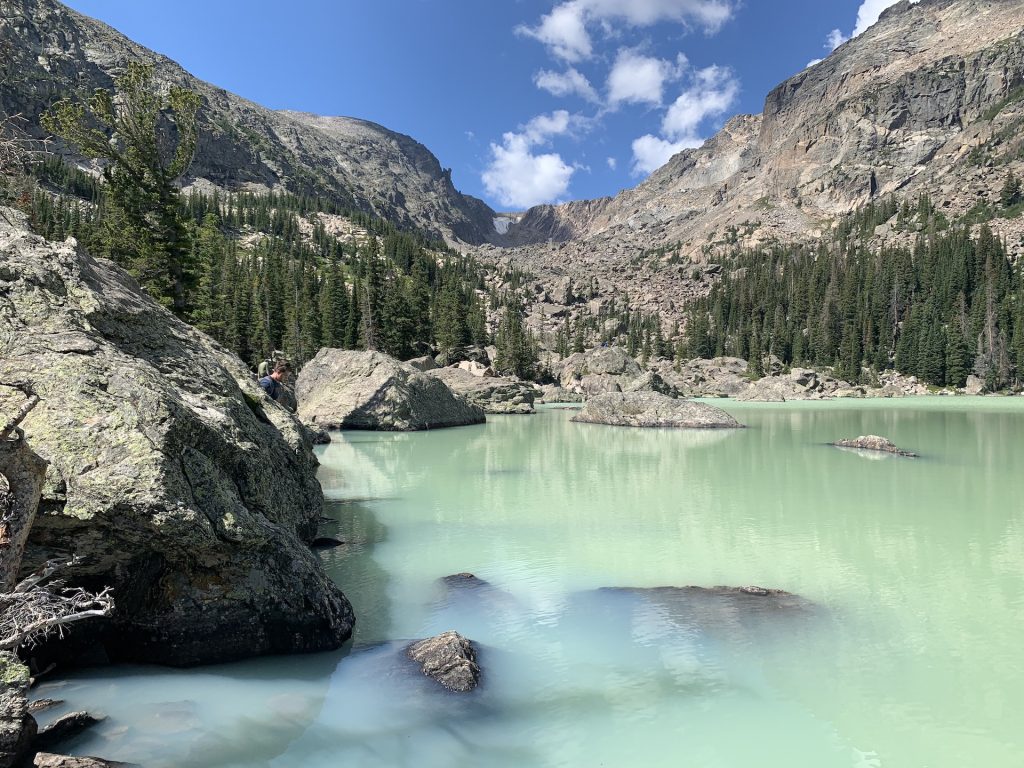
Lake Haiyaha quickly became one of my favorite stops in the park. After a natural rockslide in 2022, the lake transformed into a brilliant turquoise blue, making it even more striking against the surrounding granite boulders.
The hike itself feels a little quieter than the popular Dream Lake trail, and the final approach winds through enormous rock formations that are fun to explore. The name “Haiyaha” is believed to come from an Indigenous word meaning “big rocks,” which couldn’t be a more fitting description.
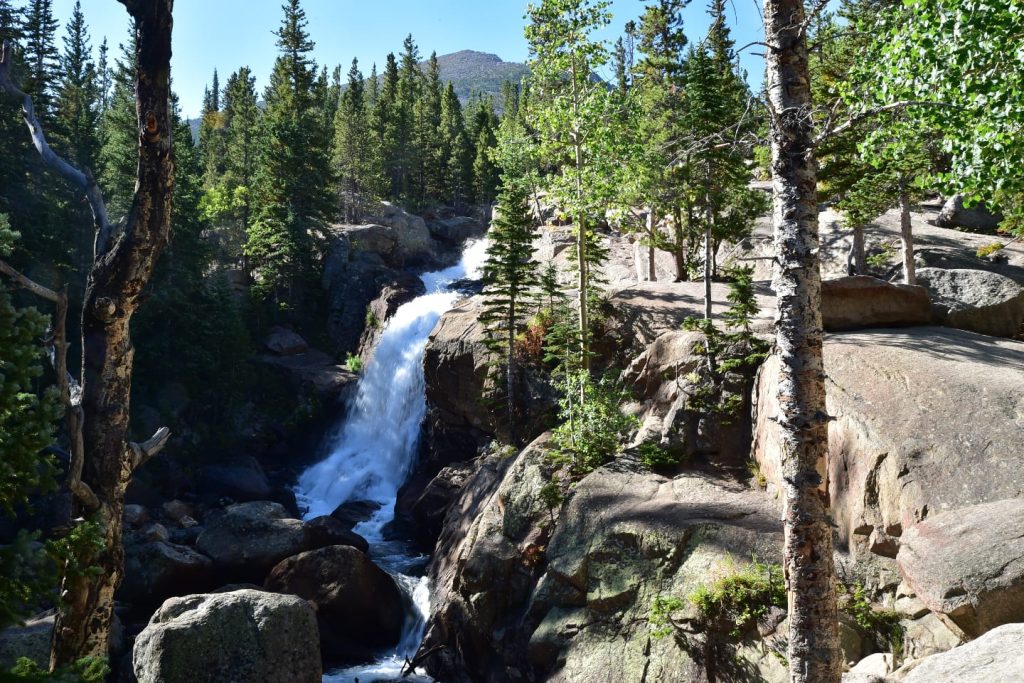
Alberta Falls
Difficulty: Easy ★★☆☆☆
Distance: 1.6 miles round trip
Elevation Gain: Approximately 200 feet
If you’re looking for a rewarding hike without a lot of mileage, Alberta Falls is a must-see.
The 30-foot waterfall tumbles through a narrow granite gorge and is especially impressive in late spring and early summer when snowmelt fills Glacier Creek. Because it’s one of the park’s most accessible waterfalls, it can get busy during the middle of the day, so visiting early is your best bet.
Sky Pond
Difficulty: Challenging ★★★★★
Distance: Approximately 9 miles round trip
Elevation Gain: Approximately 1,750 feet
Time: 5–7 hours
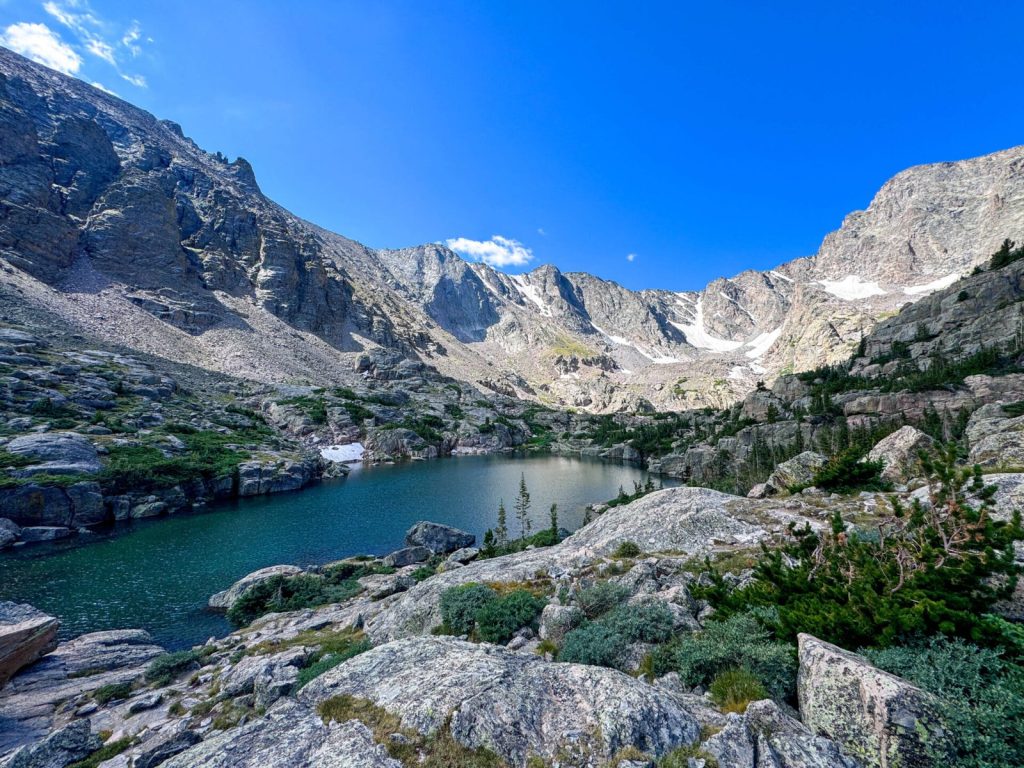
If you’re looking for an unforgettable adventure, Sky Pond is one of the best hikes in Rocky Mountain National Park.
The trail passes Alberta Falls, The Loch, Timberline Falls, and Lake of Glass before finally reaching Sky Pond, an incredible alpine lake surrounded by dramatic cliffs.
One of the most exciting parts of the hike is scrambling beside Timberline Falls. While it isn’t technical climbing, you’ll use both your hands and feet to make your way up the wet rocks. It’s a fun challenge that makes reaching Sky Pond feel even more rewarding.
If you’re an experienced hiker with a full day to explore, this trail is well worth the effort.
My Favorite Hike: The Five Lakes + Alberta Falls Loop
If I could recommend just one hike in Rocky Mountain National Park, this would be it.
Instead of choosing between lakes, this route lets you experience the very best of the Bear Lake area in a single adventure. I combined several of the park’s most popular trails into one unforgettable loop, visiting:
- Bear Lake
- Nymph Lake
- Dream Lake
- Emerald Lake
- Lake Haiyaha
- Alberta Falls
The hike is approximately 5.3 miles round trip with around 1,000 feet of elevation gain, making it a fantastic moderate day hike.
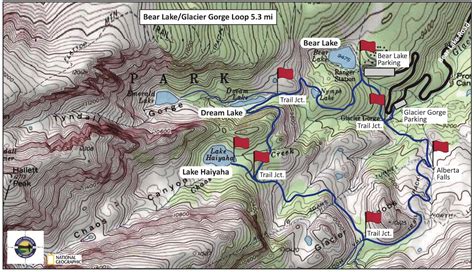
What I loved most was how the scenery constantly changed. One moment you’re walking beside peaceful alpine lakes, the next you’re climbing through fragrant pine forests or weaving between enormous granite boulders. Every section of the trail offers something new, and every lake has its own unique personality.
Bear Lake provides a classic Rocky Mountain welcome with its calm reflections of Hallett Peak. Nymph Lake feels peaceful and intimate, especially when the lily pads are in bloom. Dream Lake is postcard-perfect, while Emerald Lake is surrounded by towering cliffs that make you feel completely immersed in the mountains.
Lake Haiyaha was probably my biggest surprise. The vivid turquoise water and massive boulder field make it unlike any other lake in the park. By the time I reached Alberta Falls on the way back, the rushing water was the perfect finale to an already incredible day on the trail.
If you only have one day to explore the Bear Lake corridor, this is the hike I’d recommend without hesitation.
Wildlife to Watch For
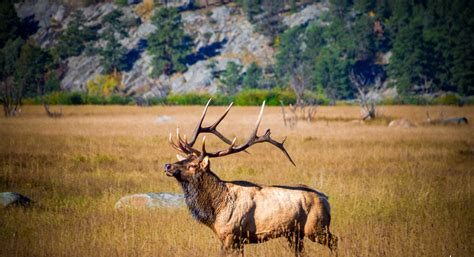
One of my favorite parts about hiking in Rocky Mountain National Park is the chance to see wildlife in its natural habitat.
Keep an eye out for:
- Elk
- Moose
- Marmots
- Pikas
- Mule deer
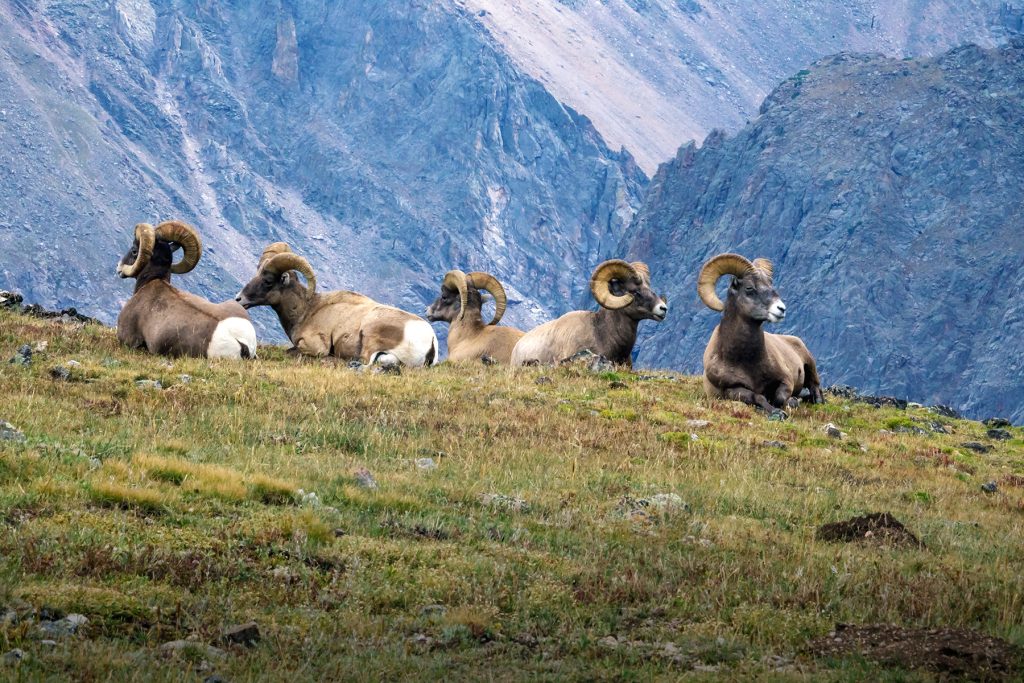
- Bighorn sheep
- Clark’s nutcrackers
Remember to admire wildlife from a safe distance and never feed the animals. Bringing binoculars can make wildlife viewing even more enjoyable while helping protect these incredible species.
Hiking Tips for Rocky Mountain National Park
A few things can make your visit even more enjoyable:
- Start hiking early to avoid crowds and afternoon thunderstorms.
- Carry more water than you think you’ll need… the dry mountain air can dehydrate you quickly.
- Bring healthy meals and superfood drinks for camping… Highly recommended: Ryze Coffee
- Wear layers, as temperatures can change rapidly… Highly recommended: Fjern jacket
- Pack sunscreen, sunglasses, and a hat. The high elevation means stronger UV exposure.
- Download offline maps before entering the park since cell service is limited.
- Stay on designated trails to help protect the fragile alpine tundra.
- Practice Leave No Trace principles by packing out everything you bring in.
Suggested One-Day Itinerary
If you’re visiting for just one day, here’s how I’d spend it:
Morning
- Arrive early at Bear Lake.
- Hike the Five Lakes + Alberta Falls Loop.
Afternoon
- Drive Trail Ridge Road.
- Stop at scenic overlooks.
- Visit the Alpine Visitor Center.
- Hike the short Alpine Ridge Trail.
Evening
- Head toward Moraine Park to watch for elk as the sun begins to set.
It’s the perfect combination of hiking, scenic driving, and wildlife viewing… and one of the best ways to experience Rocky Mountain National Park in a single day.
Final Thoughts
Rocky Mountain National Park is one of those places that stays with you long after your visit. From sparkling alpine lakes and rugged mountain peaks to wildlife encounters and breathtaking scenic drives, every corner of the park offers something memorable.
While there are countless incredible hikes throughout the park, I really enjoyed the Bear Lake area. There’s something special about wandering from one alpine lake to the next, each revealing a new perspective of the surrounding mountains.
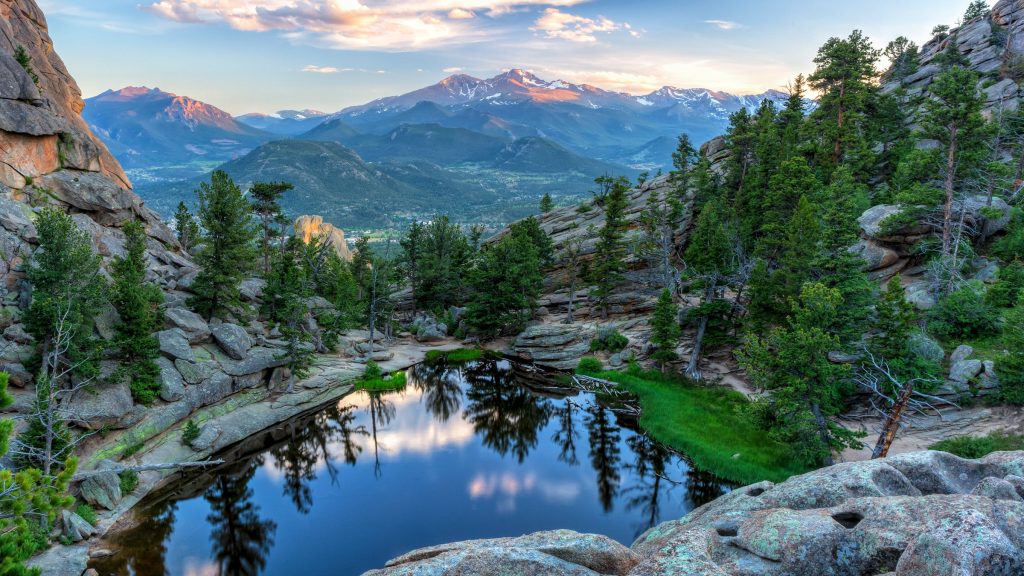
Whether you’re watching the sunrise at Dream Lake, marveling at the turquoise waters of Lake Haiyaha, standing beside Alberta Falls, or driving above the tree line on Trail Ridge Road, you’ll quickly understand why Rocky Mountain National Park is one of Colorado’s most beloved outdoor destinations.
I hope this guide helps you plan an unforgettable adventure… and maybe even inspires you to lace up your hiking boots and discover your own favorite trail in this incredible national park.